
5 Best Oversize Load Trucking Companies to Know

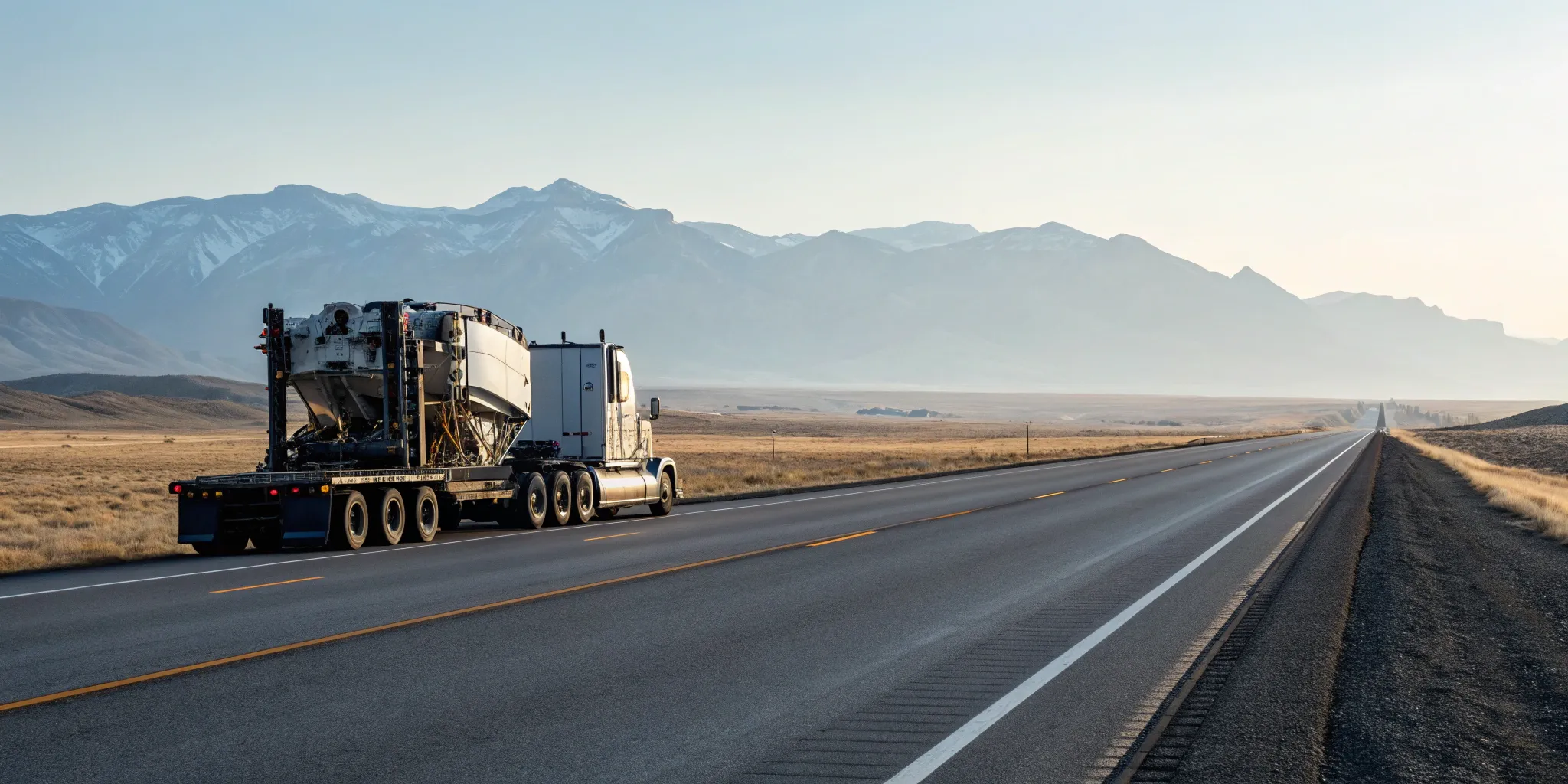
When you see a wind turbine blade or a giant industrial tank rolling down the highway, you’re witnessing a carefully orchestrated event. That journey didn't start by simply loading cargo onto a truck. It began weeks or even months earlier with detailed route surveys, complex permit applications, and the coordination of pilot cars and local authorities. This level of planning is the standard for oversize load trucking companies, the special forces of the logistics world. They possess the specialized equipment and deep industry knowledge required to move freight that exceeds legal size and weight limits. Here’s what you need to know about their services and how they manage these impressive feats of transportation.
Key Takeaways
- Think of it as Project Management, Not Just Trucking
: A successful oversize shipment is a complex logistical operation. It requires a partner who can manage every detail, from initial route surveys and multi-province permits to coordinating pilot cars and ensuring legal compliance.
- Vet Your Partner to Protect Your Investment
: The right carrier is your best defense against delays and damage. Before committing, verify their experience with similar loads, check their safety record and insurance, and confirm they have the specialized equipment your cargo requires.
- Accurate Details are the Foundation for a Smooth Journey
: The entire shipping plan is built on the exact dimensions and weight of your cargo. Providing precise specs from the start is the most critical step, as it dictates the route, trailer type, and permits needed for a safe and efficient delivery.
What Exactly is an Oversize Load Trucking Company?
When you see a massive piece of machinery or a wind turbine blade rolling down the highway, you’re looking at the work of an oversize load trucking company. These are not your standard freight carriers; they are highly specialized logistics experts who handle cargo that exceeds the typical legal limits for size and weight. Moving this kind of freight is a complex puzzle involving detailed planning, special permits, and expert coordination.
An oversize load trucking company does more than just drive from point A to point B. They manage the entire project, ensuring every detail is covered. This includes surveying the route for obstacles, securing the right permits for every jurisdiction, and coordinating with pilot cars and local authorities. They are problem-solvers who specialize in moving items that are too big, too wide, too tall, or too heavy for regular shipping methods. Think of them as the special forces of the trucking world, equipped with the right gear and the right people to handle the most challenging transportation jobs safely and efficiently.
Defining an "Oversized" Load
So, what officially makes a load "oversized"? It comes down to the numbers. Any piece of cargo that goes beyond the standard legal dimensions for width, height, length, or weight is considered oversized. These limits can vary slightly by province, but generally, a load wider than 8.5 feet or taller than 13.5 feet will require special handling.
These aren't just abstract rules; they apply to real-world items you might need to ship, like large construction vehicles, prefabricated building components, or industrial manufacturing equipment. Because these loads don't fit neatly into a standard trailer, they fall into a special category that demands a higher level of planning and care to ensure they can be transported without damaging roads, bridges, or the cargo itself.
The Specialized Equipment and Expertise Required
You can’t move a 100-ton generator with a standard semi-truck. Transporting oversized cargo requires a fleet of specialized equipment like flatbed trailers, lowboys with drop-decks, and multi-axle trucks built to distribute extreme weight. This gear is engineered to handle the unique physical challenges that large-scale items present.
Just as important as the equipment is the human expertise. An experienced logistics provider knows how to manage compliance, select the right truck for the job, and anticipate potential issues. The drivers themselves are highly skilled professionals trained to handle vehicles with obstructed views and limited maneuverability. They understand how to safely get through tight turns, under low bridges, and across challenging terrain, making their expertise a critical part of any successful oversize shipment.
What Services Can You Expect from an Oversize Hauler?
Moving an oversize load is much more than just a point A to point B delivery. It’s a complex logistical puzzle that requires meticulous planning, specialized knowledge, and a whole team of experts. When you partner with a professional oversize hauler, you’re not just hiring a truck and a driver; you’re investing in a comprehensive service designed to manage every detail of the journey. A reliable partner handles the entire process, from initial route planning and securing complex permits to coordinating on-the-road support and ensuring your valuable cargo is perfectly secured. These specialized transportation services are built to give you peace of mind, knowing that every potential challenge has been anticipated and addressed. Think of them as the project managers for your shipment. They take on the responsibility of coordinating with authorities, infrastructure managers, and on-the-ground teams so you don't have to. This end-to-end management is what separates a true logistics partner from a simple trucking company. They bring the experience, equipment, and network needed to execute these complicated moves safely and efficiently. Let’s walk through the key services you should expect from any top-tier oversize hauling company.
Planning and Surveying the Route
The first and most critical service is detailed route planning. This goes far beyond a standard GPS route. Professional haulers conduct thorough surveys to identify and navigate any potential obstacles along the way. As experts note, "Planning the route is a critical step in ensuring the safety of oversized freight transportation." This involves checking for low bridges, narrow roads, tight turns, and any areas with specific height or weight restrictions. The team will also account for temporary issues like road construction or local events. This proactive planning is essential to prevent accidents, avoid costly delays, and ensure your shipment travels the safest and most efficient path possible.
Securing Permits and Ensuring Compliance
Navigating the web of regulations for oversize loads can be a full-time job in itself. Each province and territory has its own set of rules and permit requirements, and they can change frequently. A key service provided by an experienced hauler is managing all this paperwork for you. They understand the specific permits needed for your load's dimensions and route, ensuring every legal requirement is met before the wheels start rolling. This proactive approach saves you from the headache of administrative work and protects your shipment from being delayed or fined for non-compliance.
Coordinating Escort and Pilot Car Services
For many oversize shipments, safety requires more than just a skilled truck driver. That's where escort and pilot car services come in. These vehicles travel ahead of and behind the transport truck to ensure a safe passage. Their job is to alert other drivers on the road, help manage traffic at intersections, and communicate with the truck driver about upcoming hazards like sharp curves or changes in road conditions. As one industry publication points out, these services "help navigate through challenging areas and ensure that other road users are aware of the oversized load." This coordination is a vital part of a safe and successful heavy haul operation.
Guaranteeing Load Safety and Securement
Your cargo is valuable, and its safety during transit is paramount. A professional hauler provides expert load securement services to protect your assets. This involves using the correct equipment—like chains, straps, and blocks—and applying proven techniques to prevent any shifting during transport. "Proper load securement is crucial for the stability and security of oversized cargo," and it requires a deep understanding of weight distribution and physics. The crew will carefully inspect and secure your load according to the National Safety Code standards, ensuring it remains stable and secure from the moment it's loaded until it reaches its final destination.
What Factors Determine Oversize Trucking Costs?
Figuring out the cost of an oversize shipment isn't as simple as getting a standard freight quote. Because every large load is unique, the pricing is tailored to its specific needs. Several key elements come together to determine the final price tag, and understanding them will help you budget more effectively for your project. From the path your cargo takes to the permits required, each detail plays a role in shaping the overall cost.
Your Route's Distance and Complexity
While total distance is a starting point, the route's complexity is often a bigger cost factor. A short trip through a city with tight turns can cost more than a long journey on open highways. The process involves detailed route planning to avoid low bridges, narrow roads, or other restrictions. Any detours or complex maneuvers required to navigate these challenges will add to the time, fuel, and labor costs.
The Dimensions and Weight of Your Load
The exact size and weight of your cargo are fundamental to the final cost. These factors directly influence the type of trailer, securement methods, and number of axles required. Heavier and larger loads demand more robust equipment and handling to ensure stability during transit. Proper load securement is a strict requirement based on national safety codes, and the specialized equipment needed will be reflected in the price.
Permit and Escort Needs
Moving an oversize load legally requires securing permits for every province it passes through, each with its own rules and fees. This can make cross-country shipments complex. Many large loads also require escort vehicles, or pilot cars, to travel with the truck and ensure public safety by managing traffic. The need for permits and escorts is a significant variable that adds directly to your project's expense.
Required Equipment and Specialized Services
Your cargo dictates the equipment needed to move it. You might need a specific trailer, like a lowboy for tall items or a multi-axle trailer for heavy loads. The right heavy equipment transport strategy involves selecting the perfect trailer to protect your freight. You may also need to budget for services like crane rentals for loading and unloading or utility crews to temporarily move power lines. These essential services are factored into the total cost.
What Rules and Permits Govern Oversized Loads?
Moving an oversized load involves much more than just driving from point A to point B. It’s a complex operation governed by a dense network of regulations designed to protect the public, the driver, and our infrastructure. Every single shipment requires careful planning to ensure it meets all legal requirements, from the federal level right down to the specific municipalities it passes through.
Think of it as a multi-layered puzzle. You have rules about how big and heavy a load can be, what routes it can take, and even what time of day it’s allowed to travel. Getting any piece of this puzzle wrong can lead to significant fines, project delays, and safety risks. This is where a knowledgeable logistics partner becomes invaluable. They handle the intricate web of permits and regulations, ensuring your shipment is fully compliant and travels smoothly, safely, and on schedule.
Understanding Federal and Provincial Requirements
In Canada, oversized load regulations are managed at both the federal and provincial levels, and each province has its own unique set of rules. This means a permit that’s valid in Alberta might not be sufficient for crossing into British Columbia. A logistics expert knows how to manage these cross-border requirements seamlessly. As the team at Reliable Permit Solutions notes, "Planning the route is a critical step... Avoiding narrow roads, low bridges, or areas with restrictions is essential to comply with federal and [provincial] regulations." This meticulous route planning ensures the chosen path is not only the most efficient but also fully compliant with every jurisdiction the cargo enters.
Staying Within Weight and Dimension Limits
Every road and bridge is built to handle a specific maximum weight and size. The regulations around oversized loads are there to prevent damage to this vital infrastructure. Before a wheel even turns, your logistics partner will confirm your cargo’s exact specifications and secure the right permits for its dimensions. Proper load securement is also a non-negotiable part of the process. According to Freedom Heavy Haul, it's "crucial for the stability and security of oversized cargo." This involves using the correct tie-downs and securement techniques to meet the strict cargo securement standards that keep the load stable and safe throughout its journey.
Working Around Travel Time Restrictions
You can’t always move an oversized load whenever you want. Most provinces and municipalities impose travel time restrictions to minimize disruption and enhance safety. As Global Trade Magazine points out, "It is important to be aware of travel time restrictions that may apply to oversized loads, especially during peak traffic hours or in urban areas." These restrictions often prohibit movement during morning and evening rush hours, on holidays, or even at night in certain areas. A seasoned carrier will build these curfews directly into the project timeline, scheduling driving hours to align with approved travel windows and ensuring your shipment keeps moving without any unnecessary stops.
How to Choose the Right Oversize Trucking Partner
Picking a partner for your oversize shipment is a big decision. It’s not just about moving something from point A to point B; it’s about trusting a team with high-value, complex cargo that requires meticulous planning and execution. The right partner acts as an extension of your own team, managing every detail from route surveys to final delivery. They bring the expertise, equipment, and safety protocols needed to get the job done right. To make sure you’re placing your trust in the right hands, here are four key areas to focus on during your selection process.
Look for Proven Experience and Industry Knowledge
When it comes to oversize hauling, there’s no substitute for experience. You need a partner who has handled projects similar to yours and understands the specific challenges involved. An experienced team doesn't just react to problems—they anticipate them. They know the ins and outs of provincial regulations and can handle compliance proactively, minimizing the risk of costly delays or fines. Don't be shy about asking for case studies or references. A provider with deep industry expertise will be proud to share their track record of successful projects. This is your best indicator that they can manage the complexities of your shipment with confidence and skill.
Assess Their Fleet and Capabilities
The right equipment is essential for a safe and efficient move. Your potential partner should have a diverse fleet or access to one that can be tailored to your cargo’s specific dimensions and weight. Whether your load requires a step-deck, a lowboy, or a multi-axle trailer, they need to provide the perfect fit. Discuss your needs upfront and ask how they plan to match their equipment to your shipment and route. A capable provider will offer a range of specialized transportation options and can clearly explain why a particular setup is the best choice for your project. This conversation will tell you a lot about their technical knowledge and operational capacity.
Verify Their Insurance and Safety Record
Protecting your investment is paramount. Before signing any contracts, ask for proof of comprehensive insurance coverage that is adequate for the value of your cargo. Beyond insurance, look into their safety record. You can often check a carrier's public safety profile through provincial transportation authorities. A strong safety record reflects a company-wide commitment to best practices, including proper load securement, which is critical for the stability of an oversized load. A reputable partner will be transparent about their safety protocols and insurance details, giving you peace of mind that your valuable assets are in secure hands.
Confirm Driver Training and Certifications
The driver is one of the most critical links in the entire logistics chain. Handling an oversized load requires a level of skill and training that goes far beyond a standard commercial driver's license. These professionals need to be experts in defensive driving, load securement, and emergency procedures specific to heavy haul. They should also be well-versed in the specific permits and travel restrictions for your route. Ask about the company’s driver training programs and what certifications their operators hold. A partner who invests in continuous driver education demonstrates a serious commitment to safety and professionalism, ensuring the person behind the wheel is fully prepared for the unique demands of the job.
Common Challenges in Oversize Hauling
Moving an oversized load is much more than just a bigger-than-average delivery. It's a massive logistical puzzle where every piece has to fit perfectly. Even with the best team and equipment, several challenges can pop up that require quick thinking and deep expertise to solve. From sudden blizzards to last-minute road closures and a mountain of paperwork, oversize hauling demands a proactive approach that goes far beyond standard freight.
These aren't minor inconveniences; they're significant risks that can lead to costly delays, damage to the cargo, or even safety incidents. This is why careful planning is the backbone of any successful heavy haul project. Understanding these potential hurdles is the first step in planning a successful shipment and highlights why partnering with a seasoned logistics expert is so crucial. They’ve seen it all before and have the plans in place to keep your cargo moving safely and on schedule, no matter what the journey throws at them.
Unpredictable Weather and Road Conditions
Canada’s weather is famously unpredictable, and a sudden storm can bring an entire operation to a halt. High winds are a serious threat to tall loads, while snow and ice can make roads impassable, especially in remote areas. That's why planning the route is such a critical step. A good logistics partner will meticulously analyze weather patterns and plan routes to avoid areas prone to adverse conditions. Beyond the weather, you have to account for road construction, unexpected detours, and seasonal road restrictions that can force last-minute changes and add hours or even days to a trip.
Overcoming Infrastructure Limitations
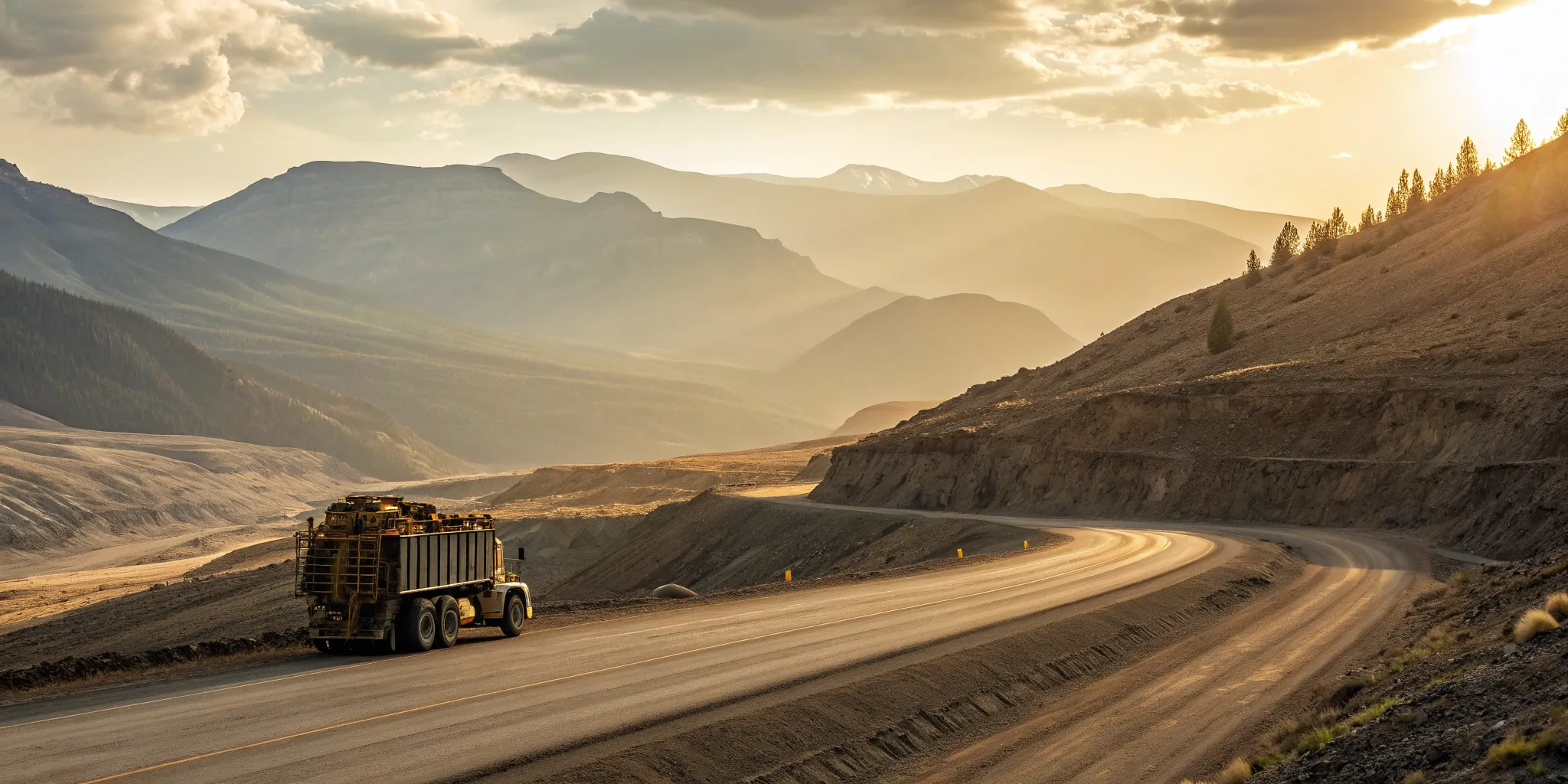
It’s one thing to have a truck that can carry the load; it’s another to find a path it can actually fit through. Oversized loads create unique challenges when it comes to navigating infrastructure like bridges, tunnels, and overpasses. A route that works for a standard truck might have a bridge with too low a weight limit or an overpass with insufficient clearance for your cargo. This is why detailed route surveys are non-negotiable. Planners must account for everything from low-hanging power lines and tight corners in towns to the structural integrity of every bridge along the way.
The Complex Web of Regulations
Transporting heavy equipment isn’t your average logistics task, especially when it comes to paperwork. Each province has its own set of rules for dimensions, weight, and travel times, creating a complex web of regulations. Securing the right permits can be a time-consuming process, and a single mistake can lead to hefty fines and delays. Working with a trucking logistics provider experienced in heavy haul ensures compliance is handled proactively. They understand the nuances of provincial permit requirements and know exactly what’s needed to keep your shipment legal and moving smoothly across borders.
A Look at Canada's Top Oversize Trucking Companies
Finding the right partner for your oversize shipment can feel like a huge task, but Canada has a strong network of both national and regional experts. Whether you need a coast-to-coast solution or a specialist with deep local knowledge, there are excellent companies ready to handle the job. Let's look at a few of the key players you should know.
Delcorp: Your Comprehensive Logistics Partner
When you need a partner that can manage every detail of your shipment, Delcorp is a fantastic choice. They specialize in a wide range of transportation solutions, with a real focus on oversize and over-dimensional freight. What makes them stand out is their comprehensive approach, combining expertise in flatbed and intermodal shipping to create a seamless plan. Thanks to their extensive nationwide carrier network, they can connect you with the right operators and equipment for your specific load. This ensures everything from capacity to axle spacing is handled correctly, giving you peace of mind that your freight is in capable hands from start to finish.
Leading National Heavy Haul Carriers
Beyond a single logistics partner, it's helpful to know some of the other major players in the national heavy haul space. Companies like Togo Logistics Inc., Lubana Trucking Inc., and Mercer Transportation Co. Inc. have earned solid reputations for their safety and efficiency. These carriers are known for their ability to manage the intricate logistics of moving oversized freight across the country. When you're looking for heavy haul trucking companies with a proven track record for timely and secure deliveries on a national scale, these names often come up as reliable choices for handling complex, long-distance projects.
Key Regional Specialized Providers
Sometimes, the best partner for the job is one with an intimate understanding of a specific region. While national carriers are great for cross-country hauls, regional specialists bring invaluable local knowledge to the table. Companies like SSP Truck Line Inc. and Candid Trucking are excellent examples of providers who excel at this. They have a deep understanding of local regulations, road conditions, and potential challenges that others might overlook. This tailored expertise makes them incredibly effective partners for businesses with projects concentrated in a particular area, ensuring a smoother and more efficient transport process.
How Do Carriers Find Oversize Loads?
For carriers specializing in heavy haul, the job isn't just about driving—it's about finding the right freight to move. Securing consistent, high-value oversize loads requires a strategic approach that combines modern technology with old-fashioned relationship building. Carriers can't just wait for the phone to ring; they have to actively seek out opportunities that match their equipment and expertise. This proactive search typically happens across three main channels: digital load boards, strategic partnerships with brokers, and a strong professional network. By tapping into these resources, carriers can keep their trucks moving and build a sustainable business in the specialized transport sector. It’s a dynamic process that rewards those who are well-connected and know where to look.
Using Load Boards and Digital Platforms
The first stop for many carriers is a digital load board. Think of these as online marketplaces specifically for freight. Specialized heavy haul load boards are particularly valuable, offering a comprehensive and constantly updated list of available jobs. Carriers can filter searches by equipment type—like flatbeds, step-decks, or multi-axle trailers—to find loads that are a perfect match for their fleet. These platforms consolidate a huge volume of opportunities in one place, saving drivers and dispatchers the time they would otherwise spend cold-calling or searching multiple sites. It’s the most efficient way to get a real-time view of the market and find immediate hauling opportunities across the country.
Partnering with Freight Brokers and Shippers
Building relationships with freight brokers is another essential strategy for finding quality oversize loads. Brokers act as the crucial link between shippers who have freight to move and the carriers who can transport it. Working with a trusted freight broker gives carriers access to a steady stream of vetted opportunities they might not find on their own. A good broker handles the negotiations, paperwork, and logistics, allowing the carrier to focus on safe and timely transport. These partnerships are built on trust and performance, and a successful delivery often leads to more business, creating a reliable pipeline of work for the carrier.
Leveraging Industry Networks and Relationships
Beyond digital tools and brokers, a carrier’s reputation and professional network are powerful assets. The logistics industry is smaller than you might think, and word travels fast. Carriers who are known for their reliability, safety, and professionalism often get first dibs on the best loads. Building strong relationships with shippers, dispatchers, and even other carriers can lead to direct offers and referrals. Attending industry events and staying active in professional groups can also open doors to new opportunities. In the long run, a solid network built on trust and a history of excellent service is one of the most dependable ways to secure consistent and profitable oversize freight.
Key Questions to Ask Before Hiring an Oversize Load Company
Choosing a partner for your oversize shipment is a big decision. The right company ensures your valuable cargo arrives safely and on schedule, while the wrong one can lead to costly delays, damage, and legal headaches. To make sure you’re placing your trust in capable hands, it’s essential to do your homework. Asking a few direct questions upfront can reveal everything you need to know about a potential carrier’s experience, preparedness, and professionalism. Think of it as a job interview for one of the most critical roles in your supply chain. These questions will help you cut through the sales pitch and get a clear picture of how they truly operate, ensuring you find a partner who is as committed to your success as you are.
Can You Verify Your Licensing and Certifications?
This should be one of your first questions, and the answer is non-negotiable. A reputable oversize load company must have all the necessary licensing and certifications to operate legally. Their team should be well-versed in the specific heavy hauling rules and local regulations that change from one province to the next. This isn't just about checking a box; it's about ensuring the drivers have the expertise to handle the complexities of your shipment safely. A professional carrier will be transparent and ready to provide proof of their credentials without hesitation. If they can’t, consider it a major red flag and move on.
What is the Project Timeline and Your Emergency Plan?
A clear timeline is essential, but what’s even more important is knowing what happens when things don’t go according to plan. Ask for a detailed project timeline, but follow up by asking about their emergency plan. How do they handle unexpected challenges like sudden road closures, equipment issues, or severe weather? A reliable partner will have contingency plans in place to manage these risks and minimize disruptions. Their ability to provide solutions proactively helps you avoid delays and budget overruns. A vague answer suggests a lack of experience, while a detailed response shows they’re prepared for the realities of complex logistics.
What Does Your Insurance and Liability Cover?
Protecting your investment is paramount, so you need to understand the full scope of a company’s insurance coverage. Don’t be shy about asking for the specifics. A trustworthy carrier should have comprehensive insurance that protects your cargo from the moment it’s loaded until it’s safely delivered. Ask for a certificate of insurance and review the coverage limits to ensure they are sufficient for the value of your load. Understanding their liability in case of an incident provides crucial peace of mind and safeguards your business from financial loss. This transparency is a hallmark of a carrier you can depend on.
Let's Plan Your Next Oversize Shipment
Moving an oversize load feels like a massive undertaking, but it all comes down to careful, step-by-step planning. When every detail is accounted for before the truck even starts its engine, the entire process runs smoothly, safely, and on schedule. Think of it as creating a detailed blueprint for your shipment’s journey. Working with a logistics partner simplifies this, as they handle the complex details for you. Let's walk through the key steps to get your next oversize shipment on the road.
Start with the Details: Dimensions and Weight
Before anything else, you need the exact specifications of your cargo. This means precise length, width, height, and weight. These numbers are the foundation for the entire plan. They determine what kind of specialized trailer is needed, which permits are required, and what routes are even possible. Getting these details right from the start prevents costly delays and compliance issues down the road. It’s the first piece of the puzzle and arguably the most important one for building a successful shipping strategy.
Map Out the Journey: Route Planning
Once you know what you're moving, the next step is figuring out how to get it there. Planning the route is a critical step that involves much more than just plugging addresses into a GPS. We have to account for low bridges, narrow roads, tight turns, and areas with specific height or weight restrictions. A thorough route survey identifies potential obstacles and ensures a safe, clear path from start to finish. This proactive approach is essential for avoiding hazards and keeping your shipment on track.
Secure Everything: Load Securement and Safety
With the route set, the focus shifts to the cargo itself. Proper load securement is absolutely essential for keeping the shipment stable and secure throughout its journey. This means using the right chains, straps, and tie-downs for your specific load to prevent any shifting during transit. Oversize loads present unique safety challenges, from limited driver visibility to difficulty maneuvering. That’s why ensuring the cargo is perfectly secured isn’t just a best practice—it’s a fundamental requirement for protecting your asset, the driver, and everyone else on the road.
Partner with an Expert
Putting all these pieces together—the specs, the route, the permits, the escorts, and the safety protocols—is a complex job. This is where partnering with an experienced logistics provider makes all the difference. A team that specializes in oversize freight can manage every detail proactively, ensuring all regulations are met and potential challenges are addressed before they become problems. At Delcorp, we provide comprehensive logistics solutions that cover every aspect of your shipment, giving you peace of mind and letting you focus on your business.
Related Articles
Frequently Asked Questions
What’s the difference between working with a freight broker and working directly with a carrier? Think of a carrier as the company that owns the trucks and employs the drivers. A freight broker, on the other hand, is your project manager. A specialized broker like Delcorp doesn't just find you a truck; we manage the entire logistical process. We tap into our extensive network to find the perfect carrier and equipment for your specific load, handle all the complex permitting, plan the route, and coordinate every detail from start to finish. This gives you a single point of contact and access to a much wider range of solutions.
How far in advance should I start planning an oversize shipment? The sooner, the better. While simpler moves might be arranged in a week or two, more complex projects that cross multiple provinces or require extensive route surveys and unique permits can take several weeks of planning. Giving your logistics partner as much lead time as possible ensures they can secure the best equipment, navigate the permit process without rushing, and create the most efficient and cost-effective plan for your shipment.
My cargo is just a few inches over the legal width. Do I really need to go through the whole oversize process? Yes, absolutely. When it comes to transport regulations, there is no grey area. If your cargo exceeds the standard legal dimensions for width, height, length, or weight by even a small amount, it is officially classified as oversized. This automatically triggers the need for special permits, potential escorts, and adherence to specific travel restrictions to ensure a safe and legal journey.
What are my responsibilities as the shipper in this process? Your most important job is to provide your logistics partner with complete and accurate information about your cargo. This includes the precise dimensions (length, width, height) and weight, as well as any specific handling requirements or details about the pickup and delivery locations. Once you provide these key details, your partner takes the lead on planning, permitting, and executing the entire move.
Can an oversize load travel at any time of day to get to its destination faster? Generally, no. To ensure public safety and minimize traffic disruptions, most provinces and municipalities place strict restrictions on when oversize loads can be on the road. Travel is often prohibited during peak morning and evening rush hours, on holidays, and sometimes overnight. A professional logistics partner will build these mandatory curfews into the transportation schedule from the very beginning.
Comments