
A Guide to Mining Equipment Transport in Canada

Long before a haul truck ever hits the road, a tremendous amount of work happens behind the scenes. A successful move is built on a foundation of meticulous planning, from conducting detailed route surveys that account for every bridge and overpass to navigating the complex web of permits required to cross provincial lines. This isn't just about driving; it's about strategic problem-solving. A professional logistics team anticipates challenges like seasonal weight restrictions, remote site access, and infrastructure limitations, developing contingency plans to keep the project on track. Understanding this hidden complexity is key to appreciating the value an expert partner brings to mining equipment transport Canada and ensuring your project runs smoothly from start to finish.
Key Takeaways
Every Move Requires a Custom Strategy
:
involves more than just the largest machines. A successful plan accounts for the unique challenges of each piece, from navigating remote routes and provincial regulations to overcoming infrastructure limits.
- The Right Solution Combines Specialized Methods
: There's no one-size-fits-all approach. Getting equipment to a site often requires a mix of heavy-haul trucking, modular disassembly, and specialized shipping like RoRo, all coordinated to ensure a safe and efficient journey.
- Vet Partners on Experience and Transparency
: The best logistics partner has a proven track record in cross-provincial transport and the right fleet for the job. Prioritize providers who offer real-time tracking and 24/7 support to give you full visibility and peace of mind.
What Kinds of Mining Equipment Need Specialized Transport?
When you think about a mine site, massive machinery probably comes to mind. And you’re right—the scale of the equipment is staggering. But it’s not just the giant haul trucks and excavators that need special attention. Almost every piece of equipment, from initial exploration gear to final processing systems, requires a carefully planned logistics strategy to get it to, from, and around a site. The sheer size, weight, and often delicate nature of this machinery mean you can’t just load it onto a standard flatbed and call it a day.
Successfully moving mining equipment is a complex puzzle involving specialized trailers, detailed route surveys, and a deep understanding of provincial regulations. A single misstep can lead to costly delays, equipment damage, or safety incidents. That’s why partnering with a logistics expert who knows the ins and outs of heavy-haul transport is so critical for keeping your project on schedule and on budget. From the first drill rig that breaks ground to the conveyor belts that carry the final product, every component's journey must be managed with precision. Let’s break down the main categories of mining equipment that demand this specialized approach.
Moving Heavy Excavators and Haul Trucks
The titans of the mine site—excavators, draglines, and massive haul trucks—are the most obvious candidates for specialized transport. These machines are the workhorses of any surface mining operation, capable of moving hundreds of tons of earth in a single scoop. Their immense size and weight, with haul trucks easily exceeding 120,000 pounds, make them far too large for public roads. Transporting this kind of heavy equipment requires multi-axle heavy-haul trailers designed to distribute the enormous weight and navigate challenging terrain. The process involves meticulous planning, from securing the right permits to coordinating pilot vehicles and ensuring every bridge and overpass on the route can handle the load. It’s a high-stakes operation where precision and experience are non-negotiable.
Shipping Drilling Rigs and Exploration Gear
Before a mine can become operational, extensive exploration is needed, and that requires highly specialized drilling equipment. Drilling and blasting rigs are complex machines with sensitive electronic components and delicate mechanical parts that are essential for geological surveys and preparing the site for excavation. Unlike the brute force of a haul truck, this gear requires a more careful touch. Because of their delicate nature, these rigs must be secured and transported in a way that prevents vibrations and shocks that could cause damage. The logistics partner must choose the right transport method based on the equipment’s specific vulnerabilities, weight, and destination. Safely shipping this machinery ensures that exploration projects can proceed on schedule without costly repairs or replacements.
Transporting Processing and Conveyor Systems
Once materials are extracted, they need to be processed. This involves equipment like crushers, grinders, and extensive conveyor systems that sort and move ore. These systems are often modular, meaning they are transported in pieces and assembled on-site. This adds another layer of complexity to the logistics plan. Each component, from massive crusher jaws to long sections of conveyor belts, must be cataloged, loaded, and transported correctly. A successful delivery depends on ensuring every single piece arrives safely and in the right order for efficient assembly. This requires a transport partner who can manage a multi-part shipment and coordinate arrivals to keep the project on track, preventing a logistical bottleneck that could halt production.
Handling Support Machinery and Attachments
A mine is like a small city, and it relies on a whole ecosystem of support equipment to keep running. This includes everything from large generators and water pumps to service vehicles, lighting towers, and specialized attachments for excavators and loaders. While not as colossal as a haul truck, this machinery is often still oversized, heavy, or awkwardly shaped. Getting these essential items to remote mine sites, especially critical replacement parts like grinder components, is vital for minimizing downtime. A versatile transport provider needs a diverse fleet and the expertise to handle a wide range of cargo. Whether it’s a single, urgent part or a full shipment of support gear, having a reliable logistics partner ensures the entire operation continues to run smoothly.
What Makes Transporting Mining Equipment So Challenging?
Moving massive mining equipment from one site to another is far more than a simple delivery. It’s a highly specialized logistical operation filled with unique hurdles that demand precision, foresight, and deep industry knowledge. The sheer size and weight of the machinery—think haul trucks the size of a small house or excavators that weigh hundreds of tons—immediately take them out of the realm of standard freight. These are not loads you can simply place on a flatbed and send on their way. The challenges are compounded by the very nature of the mining industry. Mine sites are often situated in Canada’s most remote and rugged landscapes, far from the convenience of major highways and established infrastructure. This means every transport project starts with a blank slate, requiring a custom-built plan from the ground up. Successfully transporting these critical assets requires meticulous planning to navigate complex provincial regulations, a thorough understanding of infrastructure limitations, and the ability to adapt to unpredictable and often harsh weather conditions. It’s a high-stakes puzzle where every piece, from the initial route survey to the final delivery, must fit perfectly to ensure a safe and efficient move.
Accessing Remote Locations and Planning Routes
Mines are rarely located next to a major highway. More often, they’re tucked away in remote areas accessible only by rugged service roads. This means the first challenge is simply figuring out a viable path. Standard GPS and road maps are often insufficient for a multi-ton haul truck or an oversized excavator. A successful move depends on detailed route surveying that accounts for every narrow turn, low bridge, and steep grade. Planners must work closely with local authorities to map out a safe and efficient route, ensuring the path can physically accommodate the equipment from start to finish.
Meeting Provincial Regulations and Permit Rules
You can’t just load a 100-ton piece of equipment onto a trailer and hit the road. Each province and territory has its own set of rules for oversized and overweight loads, creating a complex web of regulations. Crossing provincial lines means navigating a new set of requirements and securing the right permits for each jurisdiction. These commercial vehicle permits specify everything from travel times to the number of pilot vehicles required. Managing this paperwork is a full-time job in itself, which is why partnering with an experienced logistics provider who handles all the compliance details is so critical.
Dealing with Infrastructure and Weight Limits
Public roads and bridges are not designed to handle the colossal weight of mining machinery. A single haul truck can weigh more than a fully loaded Boeing 747, placing immense stress on infrastructure. Before any transport begins, a logistics team must assess every inch of the planned route for structural integrity. This includes verifying the weight capacity of every bridge and overpass and ensuring the road surface can withstand the pressure. In some cases, temporary reinforcements may be needed. Ignoring these limits doesn’t just risk damaging the equipment—it poses a serious public safety hazard and can cause costly infrastructure damage.
Overcoming Weather and Seasonal Barriers
In Canada, the weather is always a major factor. A route that is clear and stable in the summer can become a treacherous path of ice and snow in the winter. Spring thaws can weaken roads, leading to strict seasonal weight restrictions that can halt a project in its tracks. A reliable transport partner must plan for these variables. This means building buffer time into schedules, monitoring weather forecasts constantly, and having contingency plans ready. Sometimes, this involves using temporary ice roads in the winter or finding alternative transport methods to work around seasonal barriers and keep the project moving forward.
How Is Heavy Mining Equipment Transported?
Moving massive mining equipment from one site to another is a major logistical puzzle. You can't just load a 100-ton excavator onto a standard flatbed and hit the highway. The process requires a multi-faceted approach that combines specialized vehicles, meticulous planning, and often, a mix of transportation modes. The right strategy depends entirely on the machine's size, weight, shape, and final destination.
Successfully transporting this equipment involves everything from dismantling it into manageable pieces to chartering special vessels for sea travel. Each step is carefully coordinated to ensure the machinery arrives safely, on time, and in compliance with all regulations. It’s a field where expertise in oversize transportation is non-negotiable. From heavy-haul trucks designed for immense loads to advanced tracking technology that keeps an eye on the cargo every step of the way, a successful move relies on using the right tools for the job. Let’s walk through the key methods used to get this critical equipment where it needs to go.
Using Heavy-Haul Trucking Solutions
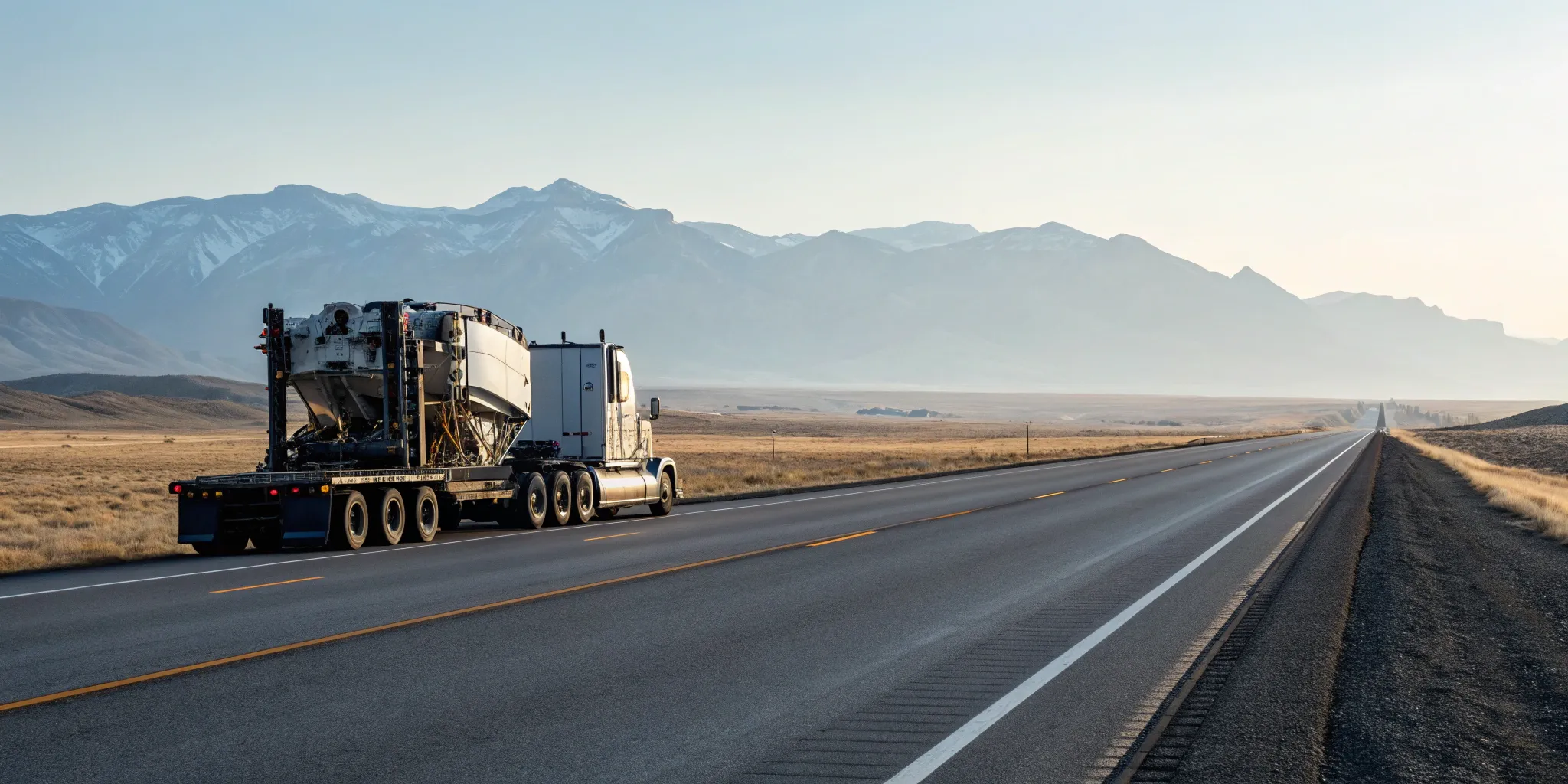
When mining equipment needs to travel over land, heavy-haul trucking is the go-to solution. This isn't your average freight service. It involves highly specialized multi-axle trucks and trailers built to handle extreme weights and dimensions. Think of moving giant excavators, draglines, or loaders that can weigh hundreds of tons.
A logistics partner will plan the entire journey, from selecting the right trailer configuration to securing permits for every province the shipment crosses. The goal is to distribute the weight properly to avoid damaging roads and bridges while ensuring the equipment is transported securely. This method is the backbone of moving large mining equipment across Canada’s vast terrain, connecting manufacturing hubs, ports, and remote mine sites.
Employing Modular Systems and Multi-Axle Trailers
What happens when a machine is simply too large to move in one piece? That’s where modular transport systems come in. The equipment is strategically disassembled into smaller, more manageable sections. Each component is then loaded onto its own specialized multi-axle trailer. This approach allows logistics experts to transport colossal machinery that would otherwise be impossible to move over public roads.
These trailers are engineering marvels, designed to distribute weight across many axles to meet road regulations and protect infrastructure. By breaking down the equipment, transporters can create a convoy of manageable loads, making the journey safer and more efficient. It’s a clever solution that turns an impossible task into a series of carefully executed steps.
Shipping with Roll-on/Roll-off (RoRo)
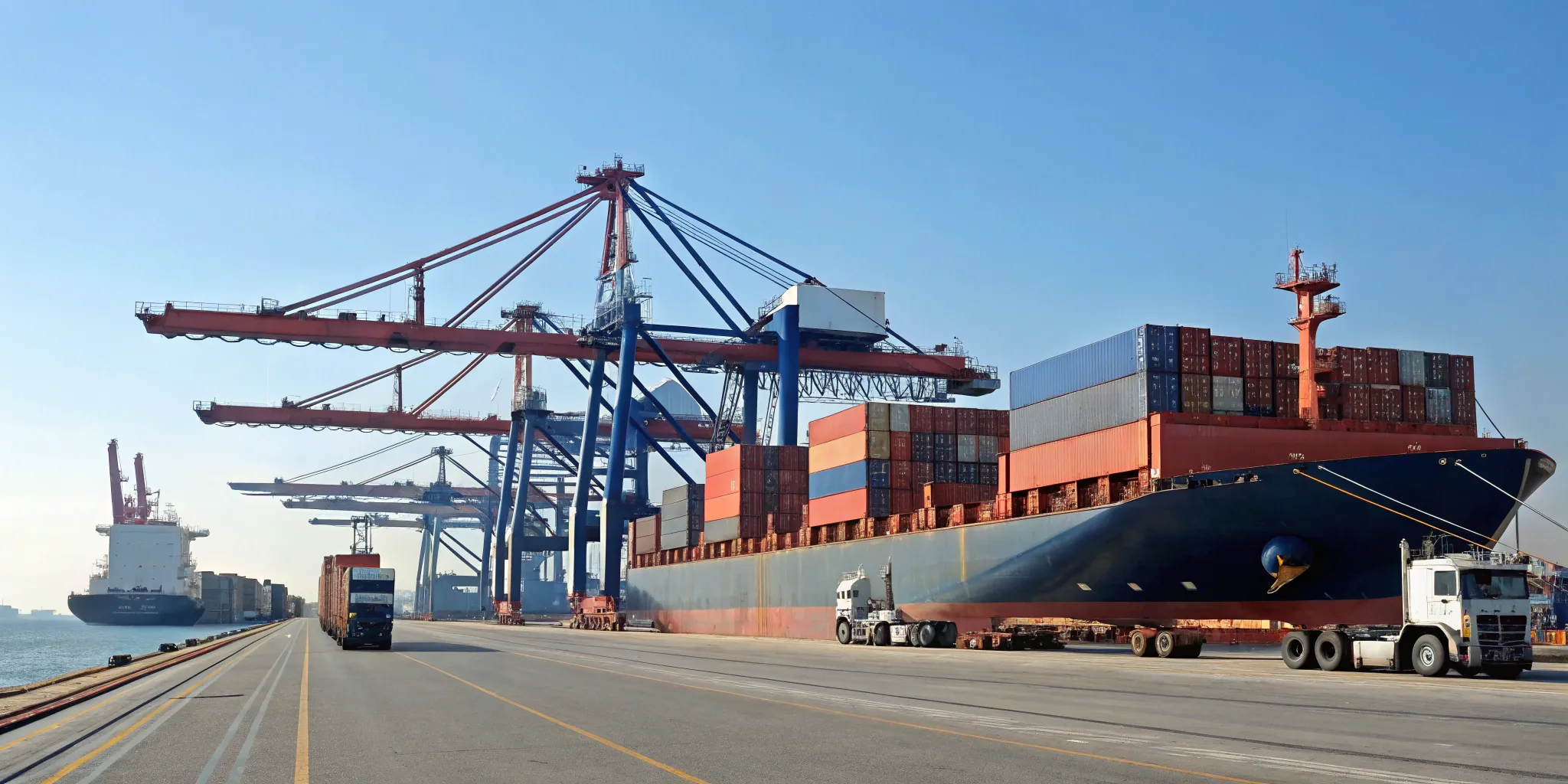
For equipment that needs to cross oceans or large bodies of water, Roll-on/Roll-off (RoRo) shipping is a popular and efficient method. It’s exactly what it sounds like: self-propelled machinery, such as haul trucks or large loaders, is simply driven directly onto a specialized vessel at the port of origin and driven off at the destination. This eliminates the need for cranes and extensive port-side handling.
RoRo is ideal for wheeled or tracked equipment because it minimizes handling, which in turn reduces the risk of damage. It’s a streamlined process that integrates seamlessly with overland heavy-haul trucking, providing a crucial link in the global supply chain for mining operations.
Using Flat Racks and Open-Top Containers
Not all mining equipment has wheels, and some pieces are just too awkward for standard shipping containers. For these items, flat racks and open-top containers are essential. A flat rack is a container with no sides or roof, perfect for oversized or irregularly shaped cargo like large drills or conveyor system components. The equipment is securely strapped onto the flat base for transport.
Open-top containers, on the other hand, have sides but no roof. This design allows tall machinery to be loaded from above using a crane. Both options provide the flexibility needed to ship non-standard equipment safely within the standardized global container shipping network.
Integrating GPS Tracking and Telematics
Modern heavy equipment transport is about more than just muscle; it’s also about smart technology. Integrating GPS and telematics into the process provides real-time visibility and control over the entire journey. Shippers can monitor their valuable assets 24/7, receiving updates on location, speed, and estimated arrival times.
This technology does more than just track a dot on a map. It improves safety by monitoring driver behavior and vehicle performance, enhances efficiency by optimizing routes to avoid delays, and provides the transparency clients need for peace of mind. At Delcorp, we provide this level of visibility so you always know where your critical equipment is.
Following Pilot Vehicle and Safety Protocols
Safety is the top priority in heavy equipment transport, and pilot vehicles play a critical role. When a load is exceptionally wide, long, or heavy, it requires a special escort. These pilot cars, or escort vehicles, travel ahead of and behind the main transport truck to ensure a safe journey.
Their job is to alert other drivers to the oversized load, help the truck driver anticipate road hazards, and communicate with authorities to manage traffic at intersections or on narrow roads. Following strict pilot vehicle and safety protocols is a legal requirement and a fundamental part of responsible heavy hauling. It ensures the safety of the public, the driver, and the valuable cargo.
What Factors Influence Mining Equipment Transport Costs?
Figuring out the cost of moving heavy mining equipment isn't as simple as getting a standard shipping quote. The final price depends on a unique mix of factors, from the sheer size of the machinery to the ruggedness of the terrain it needs to cross. Understanding these variables will help you budget effectively and see the value in a well-planned logistics strategy. A professional transport partner will break down these costs for you, ensuring there are no surprises along the way. Let’s look at the key elements that shape the cost of your transport project.
Equipment Size and Weight
The physical dimensions of your mining equipment are the biggest factor in determining transport costs. Simply put, the larger and heavier the machine, the more specialized the handling and equipment required. A standard haul truck won't work for a massive excavator or a multi-ton processing unit. Transporting this kind of oversize and over-dimensional cargo requires special multi-axle trailers, heavy-duty trucks, and expert operators. The complexity of loading and unloading these pieces also adds to the time and labor involved, which is reflected in the price. The weight and size directly influence nearly every other cost factor, from the types of permits needed to the route that can be safely taken.
Travel Distance and Route Complexity
While the distance from point A to point B is a straightforward factor—longer trips mean more fuel, driver hours, and wear on equipment—the complexity of the route is just as important. A direct highway route will cost less than a journey through winding rural roads or remote northern territories. Route planning for heavy hauls involves accounting for bridge weight limits, overhead clearance, and road widths. Navigating through populated areas can also add costs due to traffic and time-of-day restrictions. A logistics expert carefully maps out the most efficient and safest path, but challenging terrain or infrastructure limitations can require detours that add significant mileage and complexity to the trip.
Permit Requirements and Timelines
Moving oversized loads across Canada requires navigating a web of provincial regulations. Each province has its own set of rules for what constitutes an oversized or overweight load, and each requires specific permits for transit. Obtaining these permits involves paperwork, fees, and lead time. A seasoned freight broker handles this entire process, but the associated costs are built into your quote. The timeline for securing permits can also influence the overall project schedule. Forgetting a permit or filling out paperwork incorrectly can lead to costly delays, fines, and even the seizure of your equipment at a provincial border, which is why professional management is so critical.
Seasonal Conditions and Weather
In Canada, you can't talk about transportation without talking about the weather. Seasonal conditions have a major impact on heavy equipment transport, especially when moving to and from remote mine sites. Winter can bring heavy snowfall, icy roads, and closures, requiring specialized equipment and creating potential delays. In the spring, many provinces enforce "frost laws" or seasonal weight restrictions to protect roads during the thaw, which can limit when and how heavy equipment can be moved. A reliable transport partner will have contingency plans for adverse weather, but these conditions can still affect timelines and may require more resources, influencing the final cost.
Insurance and Liability Coverage
Mining equipment represents a massive capital investment, and protecting it during transit is non-negotiable. Comprehensive insurance coverage is a vital component of any transport quote. This includes cargo insurance to cover the full value of your machinery against damage or loss while it's on the move. It also includes significant liability coverage to protect against any potential damage to public or private property during transport. The higher the value of your equipment, the higher the insurance premium will be. While it adds to the cost, robust insurance provides essential peace of mind and financial protection for your valuable assets from start to finish.
How to Choose the Right Mining Equipment Transport Partner
Selecting a transport partner for your mining equipment is a major decision. This isn't just about moving an item from one place to another; it's about entrusting a multi-million dollar asset to a team that needs to get it right. The right partner ensures your equipment arrives safely, on time, and without any regulatory headaches, while the wrong one can lead to costly delays, damage, or even legal issues. You need a logistics expert who understands the unique challenges of the mining industry, from planning routes to remote sites to securing the complex web of permits required for oversized loads.
Think of this process as hiring a critical member of your project team. You’re looking for a partner with a proven track record, the right tools for the job, and a commitment to transparency and safety. Before you sign any contracts, it’s essential to do your homework and ask the right questions. By carefully evaluating potential partners against a few key criteria, you can feel confident that your valuable machinery is in capable hands. Let's walk through the essential factors to consider to ensure you find a reliable and experienced transport provider.
Verify Their Qualifications and Certifications
First things first, you need to confirm that any potential partner is fully licensed and certified to handle mining equipment. This is non-negotiable. A reputable company will readily provide proof of their qualifications, ensuring they comply with all industry and government standards. Ask for their carrier authority numbers, insurance certificates, and any specialized certifications relevant to heavy hauling. This step protects you from unreliable operators and guarantees your partner meets the strict motor carrier safety requirements for transporting oversized loads in Canada. It’s a simple check that can save you from significant risk down the road.
Confirm Their Cross-Provincial Transport Experience
Moving heavy equipment within a single province is complicated enough, but crossing provincial borders adds another layer of complexity. Each province has its own set of regulations, permit requirements, and road restrictions. That's why it's crucial to work with a partner who has extensive experience in cross-provincial transport. A seasoned carrier will understand the nuances of each jurisdiction, from pilot car requirements in British Columbia to weight restrictions on highways in Ontario. This expertise is vital for planning efficient routes and ensuring a smooth, delay-free journey for your equipment across North America.
Assess Their Fleet and Capabilities
Not all transport fleets are created equal. When it comes to mining equipment, you need a partner with the right tools for the job. Ask potential providers about the specifics of their fleet. Do they have the multi-axle trailers, modular systems, and heavy-duty trucks required to move massive machinery like excavators, draglines, and loaders? A company that offers a broad spectrum of specialized and oversize transportation services demonstrates they have the necessary assets. Make sure their capabilities align with the specific size and weight of your equipment to avoid any last-minute surprises or logistical failures.
Look for Real-Time Tracking and 24/7 Support
When your high-value equipment is on the move, peace of mind is priceless. Look for a transport partner that offers real-time GPS tracking and 24/7 support. This technology allows you to monitor your shipment’s progress every step of the way, giving you full visibility and control. If an issue arises—whether it's a weather delay or a mechanical problem—you want a team that is available around the clock to manage the situation and keep you informed. This level of transparency and communication is a hallmark of a professional and customer-focused logistics provider.
Review Their Safety and Environmental Standards
Finally, take a close look at a potential partner's commitment to safety and environmental responsibility. A strong safety record is a clear indicator of a professional and reliable operation. Ask for their safety statistics and protocols for securing heavy loads. Furthermore, with environmental regulations becoming more stringent, it’s important to partner with a company that shares your commitment to sustainability. Inquiring about their approach to green mining and transportation initiatives shows you’re performing due diligence and choosing a partner that operates responsibly.
Finding the Best Mining Equipment Transport Companies in Canada
Choosing the right transport partner is one of the most critical decisions you'll make for your mining operation. The right company doesn't just move your equipment from point A to point B; they act as a strategic partner, ensuring your valuable assets arrive safely, on time, and in compliance with all regulations. When you're vetting potential partners, it’s helpful to know who the key players are and what qualities truly set a professional transporter apart from the rest.
Delcorp: Your Partner in Specialized Heavy Hauls
At Delcorp, we specialize in managing the complex logistics of heavy and oversized hauls. As a non-asset-based 3PL, our strength lies in our flexibility and extensive network, allowing us to design the perfect transportation solution for your specific needs. We handle every detail, from initial route planning and permit acquisition to final delivery, providing you with real-time tracking and 24/7 support along the way. Our team has deep industry expertise in moving specialized equipment across Canada and globally. We understand the unique challenges of the mining sector and are committed to providing safe, efficient, and carefully planned transportation services that keep your project on track.
Other Top Providers Across the Provinces
The Canadian market has several experienced carriers known for their work in the mining industry. Companies like DBI Transport focus on managing the entire logistics chain for large mining equipment. Blue Line Logistics is another provider that offers tailored solutions for transporting heavy machinery for mining and construction projects. Meanwhile, Groupe Bellemare has built a strong reputation for its expertise in handling oversized loads and delivering them to remote, hard-to-reach locations, which is a common requirement for mining sites. Each of these companies brings specific strengths to the table, highlighting the importance of finding a partner whose capabilities align with your project’s unique demands.
What Sets a Professional Transporter Apart
A professional transporter does more than just drive. They are expert problem-solvers who manage the immense complexity of moving oversized equipment. The best partners demonstrate a deep understanding of the logistical challenges involved, from navigating provincial permit requirements and weight restrictions to meticulously planning routes that can accommodate massive machinery. They have the experience to anticipate potential obstacles, like infrastructure limitations or adverse weather, and the expertise to get equipment to remote sites that are difficult for others to reach. Ultimately, a top-tier partner provides peace of mind by combining specialized fleets, advanced tracking technology, and a proactive approach to safety and compliance.
Related Articles
Frequently Asked Questions
What information do I need to provide to get an accurate quote for transporting my equipment? To give you the most accurate quote, we need the specifics of the machinery you're moving. This includes the exact dimensions—length, width, and height—as well as the total weight. We'll also need to know the pickup and delivery locations, including any details about the accessibility of the sites. Finally, letting us know your ideal timeline helps us factor in permit acquisition and route planning. The more details you can share upfront, the better we can prepare a precise and comprehensive plan for you.
My equipment has to cross multiple provinces. How does that complicate things? Moving equipment across provincial lines adds a significant layer of planning to the process. Each province has its own unique set of regulations for oversized loads, including different permit requirements, travel time restrictions, and rules for pilot vehicles. Our job is to manage all of that for you. We handle securing the correct permits for every jurisdiction your equipment passes through, ensuring the entire journey is compliant and avoids any costly delays at provincial borders.
What happens if a machine is too large or heavy to travel on public roads? This is a common challenge with mining equipment, and it's where specialized logistics planning really shines. If a machine is too large to move in one piece, we'll coordinate a plan to have it professionally disassembled into smaller, manageable sections. Each component is then loaded onto a specialized multi-axle trailer designed to distribute weight safely. We then manage the entire convoy to ensure every piece arrives in the right order for reassembly at the destination.
How do you ensure my valuable equipment is safe during transport? Protecting your assets is our top priority. Safety starts with meticulous planning, from mapping a secure route to using the correct trailers and tie-down procedures. We also ensure every shipment is covered by comprehensive insurance for its full value. Throughout the journey, we use real-time GPS tracking, so you have full visibility of your equipment's location. This combination of expert handling, proper insurance, and modern technology ensures your machinery is protected from start to finish.
Why is it so important to use a specialized transporter instead of a standard freight carrier? Standard freight carriers are equipped to handle palletized goods and standard-sized loads, but they lack the equipment and expertise for heavy, oversized machinery. Specialized transporters understand the unique physics and regulations of heavy hauling. We have the right multi-axle trailers to handle extreme weight, the experience to plan routes around infrastructure limitations, and the knowledge to manage the complex web of permits required. Using a specialist is about mitigating risk and ensuring your high-value asset is moved safely and efficiently.
Comments