
A Guide to Shipping Container Transport & Costs

Those simple steel boxes you see on trucks, trains, and ships are the lifeblood of modern business. They are the key to getting your products into new markets and keeping your supply chain moving. For any business looking to grow beyond its local borders, mastering the process of shipping container transport isn't just helpful—it's essential. But it’s more than just booking a box. You need to understand the costs, the different shipping options, and how to prepare for common hurdles like port delays. Think of this article as your go-to resource for navigating the entire journey, from getting an accurate quote to choosing the right partner.
Key Takeaways
- Budget for more than the base rate
: Your final shipping cost is a mix of factors including the route, container size, seasonal demand, and potential port or customs fees. A clear quote will break these down for you.
Preparation prevents problems
:
and avoid delays by having all your shipment details ready, from precise dimensions and weight to addresses. Planning ahead for common hurdles like port congestion also keeps your cargo on track.
- A great partner handles the heavy lifting
: Look for a logistics provider who manages the entire process, from complex customs paperwork and real-time tracking to offering proper cargo insurance. Their job is to solve problems before they affect you.
First Things First: What Is Shipping Container Transport?
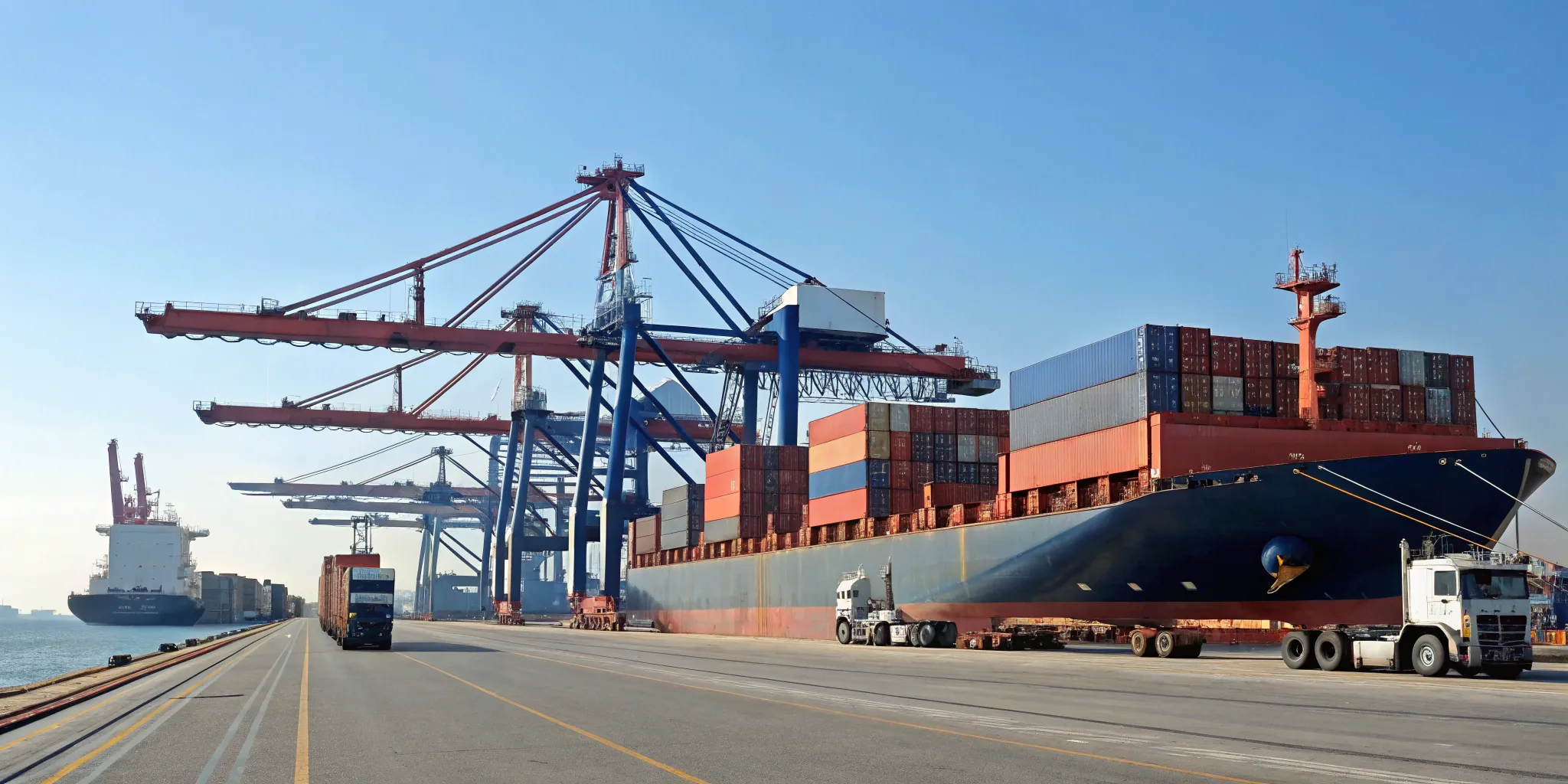
At its core, shipping container transport is all about moving goods in those big, standardized steel boxes you see on ships, trains, and trucks. Because these containers are all built to the same specifications, they can be moved seamlessly from a cargo ship to a railway car and then onto a truck for final delivery without ever having to unpack the contents. This standardized system is the backbone of global trade, making it possible to send almost anything, anywhere, efficiently and securely.
This method of moving freight is incredibly versatile. It’s not just for massive corporations; businesses of all sizes rely on it to connect with suppliers and customers across the country and around the world. Whether you're shipping raw materials or finished products, understanding how this process works is the first step in getting your cargo where it needs to go. It’s a reliable method that protects your goods from the elements and simplifies the logistics of international freight management.
A Look at Container Types and Their Jobs
You’ve probably heard shipping containers called a few different things, like Conex boxes or storage containers. While they all serve the same basic purpose—to hold and protect your goods—they come in a variety of sizes to fit different needs. The most common sizes you’ll encounter are 20-foot and 40-foot containers, but you can also find 45-foot and even 53-foot options for domestic moves. For bulkier, but not necessarily heavier, items, a "high cube" container gives you extra vertical space. Choosing the right one simply comes down to the volume of your shipment and the nature of your products.
Full vs. Shared Containers: What's the Difference?
Once you know what size container you need, the next question is whether you’ll need the whole thing to yourself. This is where you’ll hear the terms FCL and LCL. FCL stands for Full Container Load, which is exactly what it sounds like: your shipment is the only one in the container. This is the go-to option for larger volumes. On the other hand, LCL, or Less-than-Container Load, is for smaller shipments. With LCL, you share container space—and the cost—with other shippers. It’s a great way to manage costs if you don’t have enough cargo to fill a container on your own, similar to how LTL shipping works for truck freight.
Decoding Container Shipping Costs
Figuring out the cost of shipping a container isn't as simple as looking up a price tag. Several factors come into play, from the journey's length to the time of year. Think of it less like buying a product off the shelf and more like planning a custom project. The final price depends on your specific needs, the route your cargo takes, and the conditions of the global market. Understanding these key variables will help you budget more accurately and avoid any unwelcome surprises when the invoice arrives. Let's break down the main components that shape your final shipping quote.
How Distance and Route Affect Your Price
It’s no surprise that the farther your container travels, the more it will cost. A shipment from Asia to North America, for example, can run anywhere from $3,000 to $6,000 for a standard 20-foot container. But distance is only part of the story. The specific route also matters. High-traffic sea lanes might be more competitive, while routes with fewer carriers or more complex port stops can drive up the price. The key is to work with a logistics partner who understands these routes and can find the most efficient path for your cargo, balancing both speed and cost for your global freight management.
The Impact of Container Size and Type
The size of your container is another major factor in your total cost. A standard 20-foot container might cost between $2,000 and $6,000, depending on the route and other variables. If you have more goods to move, a 40-foot container is a common choice. For businesses shipping bulky but lightweight items, a 40-foot high cube container offers about 13% more vertical space, which can be a game-changer for maximizing your shipment's value. While larger containers cost more upfront, they often provide a lower cost per cubic meter, making them a more economical choice for bigger shipments.
Why Costs Change With the Seasons
Just like airline tickets, container shipping prices fluctuate with demand. You can expect to see costs rise by 30% to 50% during peak seasons. The two main busy periods to watch for are August through October, when businesses are stocking up for the holiday season, and January through February, right before the Chinese New Year when factories rush to ship goods before shutting down for the holiday. If your shipping schedule has some flexibility, planning your shipments outside of these peak times can lead to significant savings. Planning ahead is always your best strategy.
Watching Out for Extra Fees and Hidden Costs
The base freight rate is just one piece of the puzzle. You also need to account for additional charges that can pop up along the way. For instance, if your container gets stuck at a congested port like Los Angeles or Shanghai, you could face delay fees ranging from $200 to $500. There are also standard costs for documentation, customs clearance, and insurance, which typically add another $50 to $200 per shipment. A transparent logistics partner will break down all potential fees in your quote, so you have a clear picture of the total cost from the start.
From A to B: Your Container Shipping Options
Once you know what you’re shipping and how much space you’ll need, the next step is figuring out the best way to get it there. The route your container takes isn’t always a straight line, and there are a few standard methods for moving freight. Each option offers a different balance of convenience, cost, and speed, so you can choose the one that fits your timeline and budget. Understanding these choices helps you plan better and work with your logistics partner to create a smooth shipping process from start to finish.
Getting It Straight to Your Door
Door-to-door service is exactly what it sounds like: the most hands-off option available. Your logistics partner manages the entire journey, from picking up the container at your warehouse or facility to delivering it directly to the final destination. This all-in-one approach covers every leg of the trip, including local trucking, port handling, and ocean freight. It’s a great choice if you want to simplify your supply chain and let an expert team handle all the moving parts. This method ensures a seamless transition and lets you move your container whether it's full or empty.
The Classic Port-to-Port Method
If you have your own arrangements for local transportation, port-to-port shipping might be the right fit. With this method, the carrier is responsible for moving the container from the port of origin to the port of destination. You handle getting the container to the first port and picking it up from the second one. This can be a more budget-friendly option for businesses that already have established relationships with local trucking companies. It gives you more control over the first and last miles of the journey while relying on the carrier for the main transit across the water.
Combining Rail, Road, and Sea
For shipments traveling long distances over land, combining different modes of transport is often the most efficient strategy. This is known as intermodal transportation, where a container might travel by ship, then be loaded onto a train for a cross-country trip, and finally transferred to a truck for the final delivery. This method can be more cost-effective and environmentally friendly than relying solely on trucks for long hauls. A skilled logistics partner coordinates these handoffs seamlessly, ensuring your cargo keeps moving without delays and reaches its destination on schedule.
Handling Oversized and Special Cargo
What if your cargo doesn't fit in a standard container? Many industries deal with equipment or materials that are oversized, over-dimensional, or require special handling. This is where working with a specialized carrier is essential. Moving this type of freight requires careful planning, special permits, and the right equipment, like flatbeds or step-decks. At Delcorp, we have deep experience in managing oversize and over-dimensional loads, ensuring your unique cargo is transported safely and efficiently across Canada and beyond.
How to Get an Accurate Shipping Quote (and Avoid Surprises)
Getting a shipping quote can feel like a shot in the dark, but it doesn’t have to be. The key to avoiding last-minute fees and budget blowouts is to provide clear, detailed information upfront and know exactly what to look for in the estimate you receive. When you understand the moving parts of a quote, you can compare your options with confidence and choose a partner who offers real transparency. Think of it as creating a clear roadmap for your cargo—the more details you provide at the start, the smoother the journey will be. Let’s walk through what you need to have ready, how to interpret the numbers you get back, and what to look for in the fine print.
The Details You'll Need to Provide
To get a quote you can actually count on, you’ll need to have some key information handy. Carriers and freight partners need these specifics to calculate costs accurately and plan the best route for your shipment. Before you reach out, gather the exact pickup and delivery addresses, including postal codes. You’ll also need to know the details of your cargo, like its precise weight and dimensions (length, width, and height). Be ready to share your ideal shipping date and mention any special handling your items might require, such as temperature control or extra security. Having this checklist ready makes the process faster and helps you get a truly reliable shipping estimate.
Making Sense of Different Carrier Quotes
You might notice that quotes for the same shipment can vary quite a bit between carriers. This is normal, as prices are shaped by several factors. The distance and complexity of the shipping route play a big role, as do current fuel costs and the type of container you need. Market conditions also have a major impact; during peak seasons or times of high demand, rates tend to go up. When comparing quotes, don't just look at the final number. Consider what each carrier includes and how they calculate their pricing. Understanding these key elements will help you see why one quote might be higher or lower than another and choose the best value for your needs.
What to Look for in a Quote Breakdown
A good quote is more than just a price—it’s a detailed breakdown of services. As you review it, check what level of liability coverage is included. Standard carrier liability is often minimal and may not cover the full value of your goods, so you might need to arrange for additional cargo insurance. It’s also smart to look for any potential accessorial charges, like fees for waiting time or residential delivery. A transparent partner will list everything clearly. Be aware that rates can fluctuate, so ask if the quote is binding and for how long. Clarifying these details helps you avoid common transportation misconceptions and ensures there are no hidden costs down the line.
Common Shipping Hurdles (and How to Prepare for Them)
Even the best-laid shipping plans can hit a snag. From port backlogs to customs paperwork, common hurdles can cause delays and unexpected costs. But you don’t have to face them unprepared. Understanding these potential issues is the first step to creating a solid plan. A reliable logistics partner can help you anticipate these challenges and keep your cargo moving smoothly, no matter what comes up.
Dealing With Port Congestion and Delays
Port congestion is a frequent source of frustration, causing delays that ripple through your supply chain. Backups can happen for many reasons, from labor issues to seasonal rushes. The best way to prepare is by building extra time into your shipping schedule. An experienced transport partner can also make a huge difference. They monitor global port activity and can find alternative routes to help you minimize delays when a port gets jammed, keeping your shipment on track.
Simplifying Customs and Paperwork
Customs clearance can be a major bottleneck if your paperwork isn’t perfect. Missing documents or incorrect details are common customs-related issues that lead to holds, inspections, and extra fees. Since every country’s rules are different and can change, staying compliant is key. To avoid getting stuck, work with a freight partner who handles customs brokerage. They’ll ensure every form is filled out correctly, helping your shipment clear customs without a hitch.
When Container Availability Is Low
Sometimes, the hardest part is just finding an empty container. During peak seasons or supply chain disruptions, container shortages can drive up prices and cause significant delays. These capacity constraints make it tough to stick to your timeline. Your best defense is to plan shipments as far in advance as possible. A logistics provider with a strong carrier network can also help secure the equipment you need, even when general container availability is low.
Keeping Your Cargo Safe and Sound
You need to know your cargo will arrive in the same condition it left. During transit, goods are exposed to risks like damage from improper handling, road vibrations, or even theft. Proper packing is your first line of defense. For greater peace of mind, choose a transport partner with strong security protocols and real-time tracking. It’s also smart to protect your investment against the unexpected with a comprehensive cargo insurance policy.
What a Great Transport Partner Should Handle for You
Choosing a transport partner is about more than just moving a container from one place to another. It’s about finding a team that acts as an extension of your own, taking the logistical weight off your shoulders so you can focus on your business. A truly great partner anticipates challenges, communicates clearly, and has the expertise to manage every detail of your shipment. They should simplify the complex world of freight for you, not add to your to-do list. Here’s what that looks like in practice.
Delcorp's All-in-One Logistics Solutions
Your transport partner should be able to handle whatever you throw at them, without you needing to juggle multiple vendors. A company that offers comprehensive transportation services can create a seamless plan for your cargo, whether it’s a standard delivery or something more complex. This includes everything from oversize and over-dimensional loads to LTL (less-than-truckload), partials, and full loads. Having one point of contact who can manage flatbed, intermodal, and expedited deliveries across Canada saves you time and prevents the communication breakdowns that can happen when working with several different companies. Think of them as your all-in-one logistics department.
Help With Loading and Customs Paperwork
Let’s be honest: customs paperwork can be a nightmare. It’s complex, full of jargon, and a single mistake can lead to costly delays or fines. A reliable partner will manage all of this for you, ensuring every form is filled out correctly and submitted on time. They’ll help you prepare for potential issues like customs exams and ensure all your documents are in order before your shipment even leaves. This proactive approach helps you avoid common shipping challenges like unexpected holds at the border. They should be your expert guide, making sure your cargo moves smoothly from origin to destination without getting tangled in red tape.
Real-Time Tracking and 24/7 Support
Once your container is on its way, you shouldn’t have to wonder where it is. Top-tier transport partners provide complete supply chain visibility with real-time tracking tools that let you see your shipment’s status at any moment. This transparency gives you peace of mind and allows you to keep your own customers informed. But technology is only half the equation. You also need access to human support when you need it. A partner who offers 24/7 assistance demonstrates a true commitment to your shipment’s success, ensuring that if an issue arises—day or night—someone is there to manage it immediately.
Options for Cargo Insurance and Protection
Did you know that standard carrier liability is often shockingly low? In many cases, it only covers a fraction of your cargo’s actual value, sometimes as little as a few hundred dollars per shipping unit. This leaves your investment incredibly vulnerable if something goes wrong during transit. A great partner will be upfront about this and offer you options for proper cargo insurance. They should help you understand the risks and find a protection plan that fully covers the value of your goods. This isn't an upsell; it's a fundamental part of safeguarding your business and ensuring you’re protected from loss.
Picking a transport partner is one of the most important decisions you'll make for your business. The right company does more than just move a container from one place to another; they act as an extension of your team, ensuring your cargo arrives safely, on time, and without costly surprises. Your partner should simplify the complexities of logistics, from customs paperwork to port congestion. Think of them as your guide through the entire shipping process. When you're vetting potential partners, focus on their experience, communication style, and ability to handle the unexpected. These three areas will tell you everything you need to know about the quality of service you can expect.
Checking for Reliability and a Wide Reach
When you’re entrusting a company with your valuable cargo, their track record is everything. Look for a partner with years of proven experience and a wide operational network. A company that has successfully moved containers across Canada, the US, and internationally has demonstrated its ability to handle diverse logistical challenges. This kind of extensive experience is a strong indicator of reliability and means they have established processes and relationships to keep your shipments moving smoothly. A partner with a broad reach can offer more flexible and efficient routing options, which is crucial for managing both timelines and budgets.
Why Clear Communication Is Key
In logistics, silence is rarely golden. A great transport partner keeps you in the loop every step of the way. You should look for a company that offers dedicated support, ideally with agents available 24/7 to answer your questions and provide updates. Effective communication is crucial for ensuring everyone involved—from your team to the receiving party—is informed about the shipment's status. This transparency helps manage expectations and allows for quick adjustments if issues arise. Proactive updates and easy-to-reach support can turn a potentially stressful process into a smooth, predictable one.
Finding a Partner Who Solves Problems Fast
Even with the best planning, shipping can be unpredictable. Your ideal partner is one who excels at problem-solving when things don't go as planned. The logistics world is full of common shipping challenges, from unexpected port delays and customs inspections to equipment shortages. A seasoned logistics provider won't just react to these problems; they'll anticipate them. They should have contingency plans in place and the expertise to resolve issues like missing documents or clearance problems quickly, saving you from costly delays and extra fees. This ability to think on their feet is what separates a good partner from a great one.
Related Articles
Frequently Asked Questions
Is it always cheaper to share a container (LCL) if I have a small shipment? Not necessarily. While sharing a container, known as LCL shipping, often has a lower upfront price for small volumes, it can sometimes involve more handling and administrative fees at the destination port. If your shipment is large enough to take up about half a container, it's worth comparing the total cost of an LCL shipment against booking your own 20-foot container (FCL). Sometimes, the security and simplicity of having the whole container to yourself can be more cost-effective in the long run.
My shipping quote seems high. What are the most common 'hidden' costs I should look for? A good quote will be transparent, but you should always check for potential extra charges. Look for fees related to port congestion, which can add up if your container is delayed. Also, ask about terminal handling charges at both the origin and destination, as well as fees for customs clearance and documentation. A reliable partner will break all of this down for you, but it's smart to confirm what is and isn't included in the base rate so you can budget accurately.
How far in advance should I plan my shipment to avoid delays and high costs? As a general rule, the more lead time, the better. To avoid the highest prices and potential container shortages, try to plan at least four to six weeks ahead, especially if you're shipping during peak seasons like late summer through fall or just before the Chinese New Year. Planning in advance gives your logistics partner more flexibility to find the best route and secure equipment at a competitive rate, saving you from the stress and expense of last-minute arrangements.
What's the single biggest mistake businesses make with customs paperwork? The most common and costly mistake is providing inaccurate or incomplete information about the cargo. This includes misclassifying the goods with the wrong HS code, undervaluing the shipment, or failing to provide a detailed description of the items. These errors can trigger customs inspections, significant delays, and expensive fines. Working with a partner who manages this documentation for you is the best way to ensure every detail is correct from the start.
My cargo is valuable. Isn't the carrier's basic liability enough to protect it? This is a dangerous assumption. Standard carrier liability is extremely limited and is based on weight, not the actual value of your goods. In many cases, it might only cover a few hundred dollars, even if your cargo is worth thousands. To fully protect your investment from damage, loss, or theft during transit, you absolutely need to secure a separate cargo insurance policy. A good transport partner will explain your options and help you get the right coverage.


Comments