
Mining Equipment Transport: A Complete Guide

Organizing the shipment of heavy machinery is like assembling a complex, high-stakes puzzle. Each piece—from route planning and permit acquisition to vehicle selection and safety protocols—must fit together perfectly. If one piece is out of place, the entire project can be compromised. This is the world of mining equipment transport, a specialized service where precision and foresight are everything. You can't afford to work with a partner who is just guessing how the pieces fit. You need a logistics expert who sees the whole picture and has the experience to manage every detail. This article will show you what those puzzle pieces are and how a skilled transporter puts them all together for a flawless delivery.
Key Takeaways
- Successful Transport is All in the Planning
: The ability to ship any mining equipment comes down to a detailed strategy. Your logistics partner should manage everything from complex, multi-province permits and route mapping to expert loading and securing, ensuring a smooth process from start to finish.
- Choose a Specialist, Not a Generalist
: Moving high-value mining machinery requires specific expertise. Look for a provider with a proven history in oversized transport, a transparent safety record, and access to the right equipment, like RGN trailers, to protect your critical assets.
- Look Beyond the Base Rate to Understand Costs
: The final cost is shaped by more than just distance. Factors like equipment size, route complexity, permit fees, and the need for escort vehicles all play a significant role in the total investment for a safe and compliant delivery.
What Kind of Mining Equipment Can You Ship?
When it comes to mining, nearly every piece of equipment is oversized, heavy, and complex. From the initial excavation to the final processing, the machinery involved requires specialized transport solutions. The good news is that with the right logistics partner, you can ship virtually any type of mining equipment to any site, no matter how remote. The key isn't if it can be shipped, but how it's planned and executed.
Whether you're moving a single bulldozer to a new quarry or relocating an entire drilling operation across the country, a successful transport hinges on meticulous planning and deep industry knowledge. Each machine presents its own set of challenges, from its sheer weight and dimensions to its delicate components. A logistics expert will handle everything from securing the right permits to planning a route that can accommodate the load. This ensures your valuable assets are moved safely, efficiently, and in full compliance with all regulations. The scope of specialized transportation services covers everything from massive earthmovers to intricate processing plants. This includes coordinating pilot cars, managing multi-axle trailers, and ensuring every bolt and panel is secured for the journey. It's a complex puzzle where every piece must fit perfectly to avoid costly delays and potential damage.
Heavy Excavators and Bulldozers
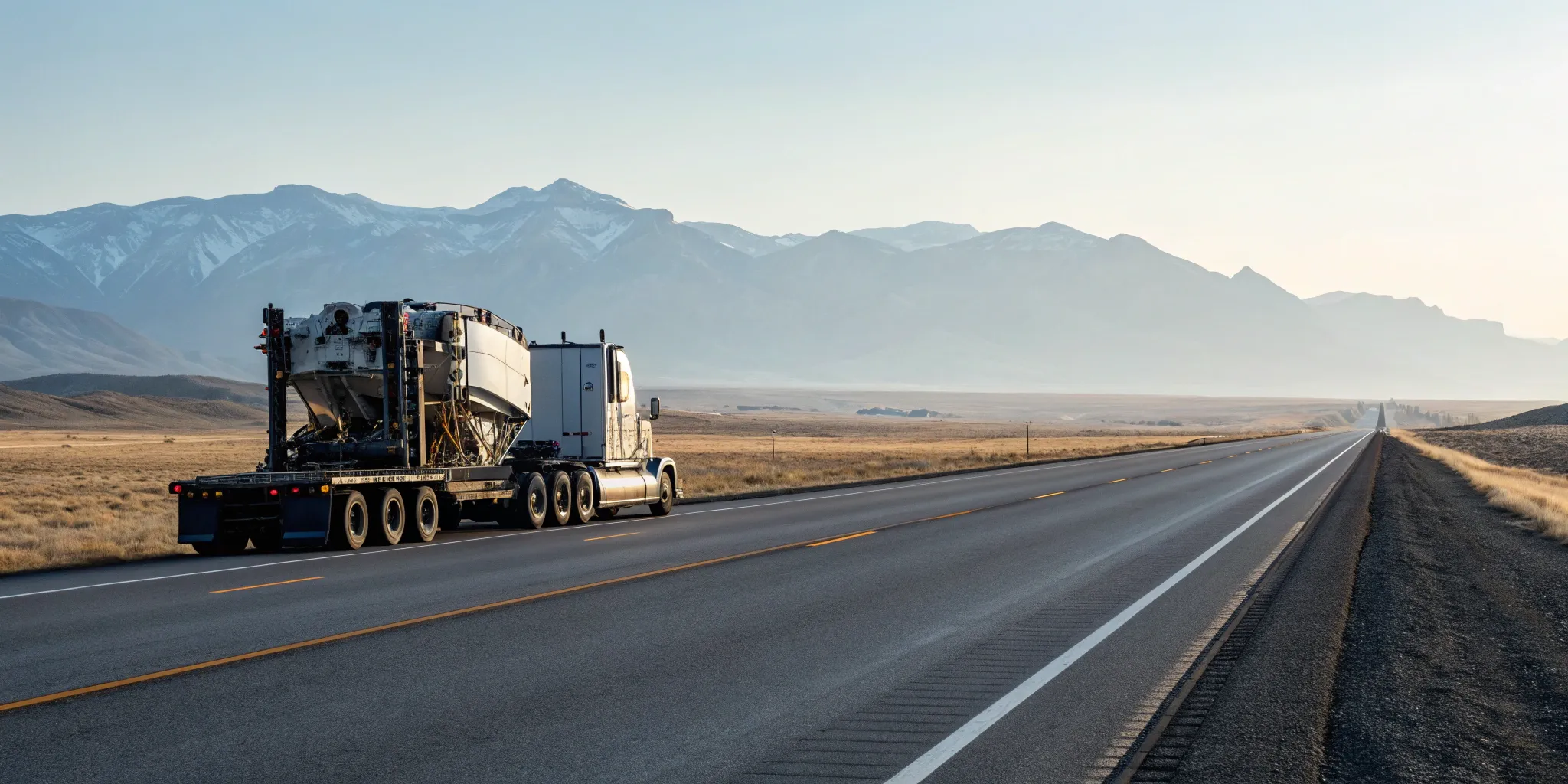
Excavators and bulldozers are the workhorses of any surface mining operation, responsible for moving massive amounts of earth and rock. Due to their immense size and weight, they are classic examples of heavy haul or oversized freight. Transporting them requires specialized trailers, such as multi-axle step-decks or removable gooseneck (RGN) trailers, to manage their dimensions and distribute their weight safely. Planning for their transport involves detailed route surveys to check for bridge clearances, road weight limits, and any potential obstacles. A logistics provider experienced in moving oversized mining machinery will coordinate every detail, ensuring your equipment arrives ready for work.
Continuous Miners and Longwall Equipment
For underground operations, continuous miners and longwall systems are the heart of production. These incredibly complex machines are designed to cut coal and other minerals directly from the rock face. Moving this type of equipment is a major logistical undertaking, as it often needs to be partially or fully disassembled before transport and then carefully reassembled on-site. The process demands precise coordination to ensure every component—from the cutting head to the hydraulic roof supports—is cataloged, loaded securely, and delivered in the correct sequence. This level of detailed project management is essential to minimize downtime and get your operation running smoothly.
Drilling Rigs and Screening Machinery
Drilling rigs are fundamental for both exploration and blast-hole drilling, while screening machinery is used to sort extracted materials by size. This equipment can range from relatively mobile units to large, stationary installations that need to be relocated between sites. Transporting a complete drilling rig or a large screening plant involves moving multiple components that must arrive together. A seasoned transport partner will treat the move like a carefully choreographed operation, ensuring that all parts of the system are accounted for and transported safely, whether they are moving across the province or across the country.
Specialized Mining Vehicles and Dump Trucks
The haul trucks used in mining are in a league of their own. These specialized vehicles are engineered to carry hundreds of tons of material in a single load and are far too large and heavy for public roads. Moving these massive dump trucks requires a deep understanding of heavy transport logistics. The process involves securing special permits, arranging for pilot and escort vehicles, and using powerful prime movers and trailers designed specifically for such extreme loads. The different types of mining trucks each have unique transport requirements, and getting them to a new site safely is a critical step in maintaining operational efficiency.
What to Look for in a Mining Equipment Transporter
Choosing a transport partner for your mining equipment is a big decision. You're not just moving a piece of machinery; you're entrusting a critical, high-value asset to someone else. The right partner does more than just drive from point A to point B—they become an extension of your operations, ensuring your equipment arrives safely, on time, and without any costly surprises. To make the right choice, you need to look beyond the price quote and evaluate a transporter's experience, safety record, and overall capabilities. Think of it as vetting a new team member, because their performance directly impacts your project's timeline and budget.
Specialized Industry Experience
When it comes to moving mining equipment, general freight experience just doesn't cut it. You need a partner who understands the unique demands of the mining industry. Look for a company with a long track record of successfully shipping heavy machinery. An experienced team knows the specific challenges involved, from the sheer weight and dimensions of a continuous miner to the delicate components of a drilling rig. They’ve seen it all before and have developed the processes to handle your project smoothly. A history of working with other businesses in your sector is a strong indicator that they have the deep industry expertise to manage your shipment effectively.
A Strong Commitment to Safety
Safety should be at the top of your checklist. Transporting oversized loads on public roads carries inherent risks, and a transporter’s commitment to safety protects your equipment, their drivers, and the community. Ask potential partners about their safety standards, driver training programs, and incident rates. A reputable company will be transparent about their safety protocols and have specialists who can map out the safest, most efficient way to move your assets. This focus ensures that every precaution is taken, from initial loading to final delivery, minimizing risk at every turn.
Proven Oversized Load Capabilities
Not every logistics company has the right tools for the job. Transporting mining equipment often requires specialized trailers like step-decks, double drops, or removable goosenecks (RGNs). Before you commit, verify that the transporter has access to the right equipment for your specific machinery, no matter its size or shape. A provider with proven oversized load capabilities will be able to handle everything from massive excavators to articulated dump trucks, ensuring your equipment is properly supported and secure for the entire journey. They should be able to provide a clear plan for how they’ll accommodate your machine’s unique dimensions.
Comprehensive Insurance and Liability
Even with the best planning, unexpected events can happen. That’s why comprehensive insurance coverage is non-negotiable. Your transport partner must have adequate liability and cargo insurance to cover the full value of your equipment. Don't hesitate to ask for a certificate of insurance and review the coverage details carefully. Understanding the insurance policy is crucial, as it’s your primary protection against potential damage or loss. A professional transporter will be upfront about their coverage and can explain how your assets are protected while in their care.
Permit and Regulatory Know-How
Moving an oversized load across provincial or international borders is a complex logistical puzzle filled with paperwork. Each jurisdiction has its own set of rules, and securing the right permits is essential to avoid delays and fines. A knowledgeable transport partner will manage this entire process for you. They should have a deep understanding of the varying provincial permit requirements and handle all the necessary documentation, from pilot car arrangements to customs clearance. This expertise saves you time and ensures your shipment remains compliant from start to finish.
Real-Time Tracking and Clear Communication
Once your equipment is on the road, you need to know where it is and that it’s on schedule. Look for a transporter that offers real-time tracking and maintains clear, consistent communication. Having a single point of contact who can provide regular updates gives you valuable peace of mind and allows you to plan effectively for the equipment's arrival. This level of transparency is a hallmark of a customer-focused company and is essential for the careful planning and execution required for high-value shipments. It shows they value your business and are committed to a smooth, predictable delivery.
How Your Equipment Gets Delivered Safely and On Time
Getting a multi-ton piece of mining equipment from point A to point B is a masterclass in precision and planning. It’s far more than just a simple delivery; it’s a complex logistical operation where every detail matters. A successful transport relies on a proactive strategy that anticipates challenges long before the truck ever hits the road. From managing complex regulations to planning for unpredictable weather, a reliable transport partner takes on the heavy lifting of coordination so you can be confident your valuable assets will arrive securely and on schedule.
This process involves a series of carefully executed steps, each one building on the last to ensure a seamless journey. It starts with meticulous route mapping and securing the right permits, followed by expert loading procedures using specialized equipment. Before departure, thorough inspections confirm that everything is perfectly in place. Along the way, your logistics team will account for seasonal challenges and have the expertise to handle deliveries to even the most remote and difficult-to-reach sites. Let’s walk through exactly how your equipment is protected every step of the way.
Strategic Route and Permit Planning
Moving oversized mining equipment isn’t as simple as following a GPS. Every route is carefully planned to account for bridge heights, weight restrictions, and road conditions. A logistics expert will map out the most efficient and safest path, which often isn't the shortest one. A critical part of this process is managing all the necessary paperwork. Each province has its own set of rules for oversized load permits, and failing to secure the right ones can lead to major delays and fines. An experienced transport partner handles this entire complex process, ensuring your shipment is fully compliant from start to finish, so you don’t have to worry about the red tape.
Expert Loading and Securing Methods
Once the route is set, the physical process of getting your equipment onto the trailer begins. This is a highly technical task that requires specialized gear and a skilled crew. Using equipment like cranes, lifting gear, and heavy-duty trailers, the team carefully loads the machinery, paying close attention to weight distribution. Proper load balance is essential for a safe journey. From there, they use industrial-grade chains, binders, and straps to secure the equipment firmly in place. These securement systems are designed to prevent any shifting, no matter the bumps or turns in the road, ensuring your asset arrives in the exact condition it left.
Thorough Pre-Transport Inspections
Before the wheels start rolling, a comprehensive inspection is performed. This is a final, critical check to catch any potential issues before they become problems on the road. The team conducts a full risk assessment, verifying that the right transport vehicle has been chosen and that the loading area is clear and safe. They walk through a detailed checklist, double-checking every securement point, confirming the load is balanced, and ensuring the machinery is stable. This meticulous attention to detail is a non-negotiable step that safeguards your equipment, the transport team, and the public. It’s all about being proactive to guarantee a smooth and incident-free delivery.
Planning for Weather and Seasons
In Canada, the weather is always a key player in logistics. A transport plan that works in July might be impossible in January. An experienced logistics partner always factors in seasonal variability. This includes planning for potential delays from snowstorms, navigating spring thaw conditions when road weight restrictions are in effect, or dealing with high winds. By understanding these variables, your transport provider can build contingency time into schedules, select the most appropriate routes for the season, and keep you informed of any weather-related impacts. This foresight helps manage budgets and expectations, ensuring that Mother Nature doesn’t derail your project timeline.
Handling Remote and Challenging Deliveries
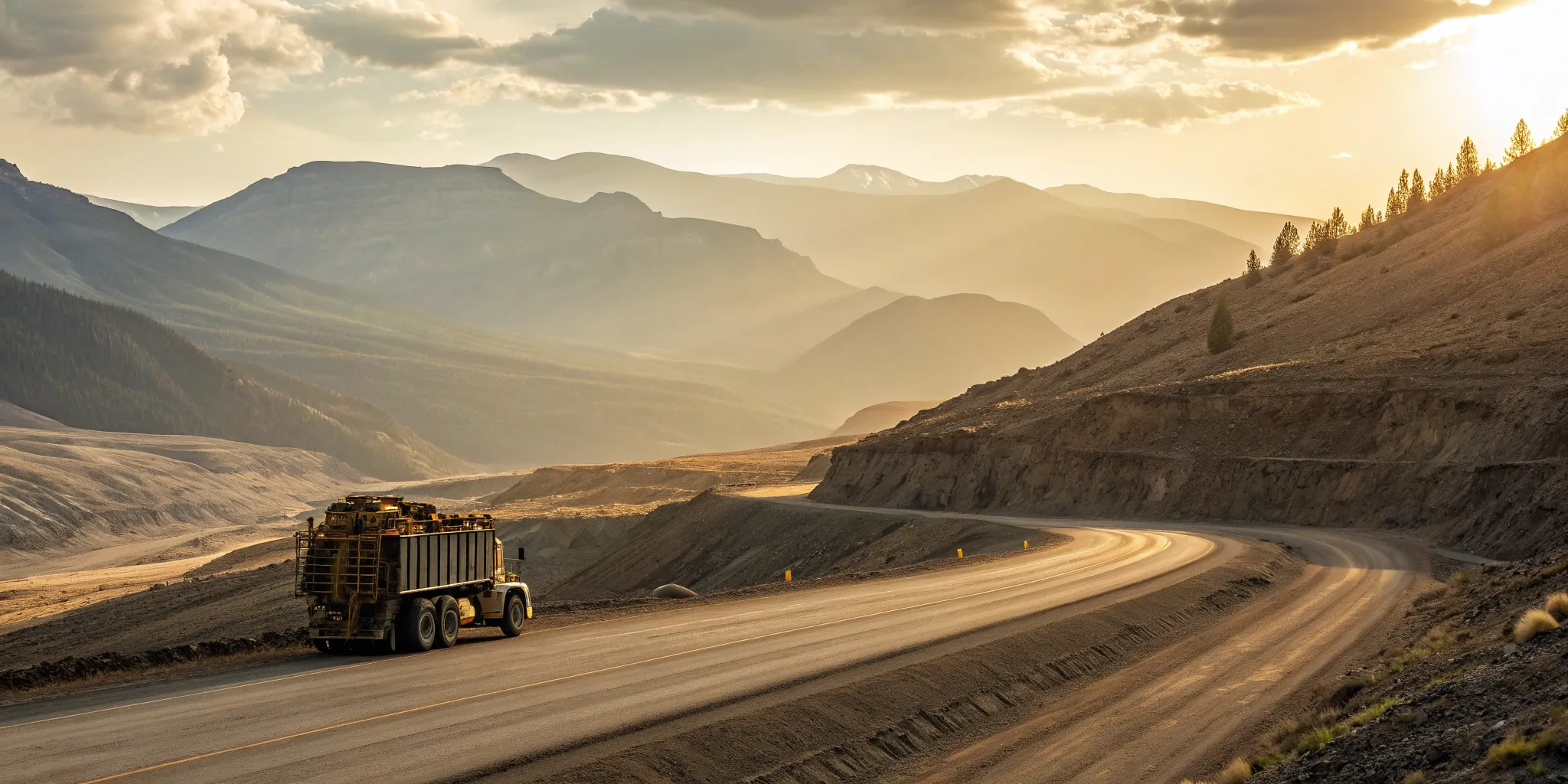
Mining operations are rarely located next to a major highway. Your equipment often needs to reach remote sites with unpaved roads and challenging terrain. This is where a transporter’s expertise truly shines. Delivering to these locations requires specialized knowledge and the right equipment. Your logistics partner will select the appropriate trailer and vehicle combination to handle the specific demands of the route. With deep experience in specialized and oversize transportation, they have the capability to get your machinery exactly where it needs to be, no matter how far off the beaten path. They thrive on these challenges, ensuring your operations can proceed without a hitch.
Understanding the Costs of Mining Equipment Transport
Figuring out the cost of shipping mining equipment involves more than just calculating mileage. Several key factors come together to determine the final price, and understanding them helps you plan your budget and choose the right logistics partner. From the sheer size of the machinery to the specific route it needs to travel, each detail plays a role in the overall investment. Let’s break down the main components that influence the cost of your transport project.
The Size and Weight of Your Equipment
It’s the most straightforward factor: the bigger and heavier your equipment, the more complex and costly the move. A massive haul truck or a heavy-duty excavator can’t be loaded onto a standard flatbed. These pieces require specialized and oversize transportation solutions, such as multi-axle trailers, to distribute the weight safely and legally. The need for specialized handling equipment for loading and unloading, along with the expertise to operate it, also contributes to the cost. Accurately reporting your equipment’s dimensions and weight is the critical first step to getting a precise quote and ensuring a safe journey.
Travel Distance and Route Complexity
While distance is a clear factor, the complexity of the route is just as important. Transport costs for heavy equipment can range from $1.00 to $5.00 per mile, but this rate is heavily influenced by the path taken. A straightforward highway journey will cost less than a route through remote, mountainous terrain or congested urban centers. Factors like steep grades, narrow roads, bridge weight limits, and fuel surcharges all affect the final price. A strategic logistics partner will perform detailed route planning to find the most efficient and safest path, which is essential for managing your budget effectively.
Necessary Permits and Escort Services
Moving oversized or overweight loads on public roads is a regulated process that requires special permits. Each province has its own set of rules, and securing the right documentation is essential for legal compliance. For particularly large equipment, pilot or escort vehicles may be legally required to ensure the safety of the public and the cargo. These services help manage traffic and warn drivers of the wide load. While obtaining permits for oversized loads and arranging for escorts adds to the total cost, they are non-negotiable requirements for a safe and lawful transport.
The Type of Transport Vehicle Required
The specific type of mining equipment you’re shipping dictates the kind of truck and trailer needed for the job. A bulldozer might require a different trailer than a towering drilling rig. The choice of vehicle, whether it’s a step-deck, double-drop, or a removable gooseneck (RGN) trailer, is based on the equipment’s dimensions, weight, and loading requirements. Using the correct trailer is crucial for securing the machinery properly and complying with transport regulations. Your logistics provider should have access to a diverse fleet to match your specific needs, ensuring your asset is transported safely and efficiently.
Insurance Coverage and Seasonal Rates
Protecting your high-value machinery during transit is essential, making insurance a critical cost factor. The amount of coverage needed depends on the value of your equipment and the potential risks associated with the route. Beyond standard liability, you’ll want to ensure your cargo is fully protected against any potential damage. Additionally, seasonal changes can impact transport rates, especially in Canada. Winter conditions can introduce new challenges and costs, while spring thaw periods may bring road restrictions that limit heavy hauling. Planning your transport around these seasonal fluctuations can help you secure better rates and avoid delays.
How to Choose the Right Transport Partner
Selecting a logistics partner for your mining equipment is one of the most critical decisions you'll make. The right company acts as an extension of your team, ensuring your valuable assets arrive safely and on schedule. When there’s little room for error, you need a partner who understands the stakes. Let’s walk through what to look for and what to ask to find a transporter you can trust.
Our Approach to Mining Transport
Transporting mining equipment isn’t just about moving something from Point A to Point B; it’s about precision, planning, and deep industry knowledge. The best partners recognize that every piece of machinery is a critical component of your operation. They approach each project with a meticulous plan that covers every detail, from route optimization to regulatory compliance. This level of care comes from years of hands-on experience and a genuine commitment to client success. A true partner doesn’t just see a bulldozer or a drilling rig—they see a vital piece of your business and treat it accordingly.
Key Features to Evaluate in a Provider
When you start evaluating potential providers, focus on their track record with heavy and oversized freight. It’s crucial to work with drivers and a logistics team who know exactly how to manage massive equipment to prevent problems on the road. Look for a company that proudly showcases its experience in the mining sector. Check for case studies, client testimonials, and a clear emphasis on safety protocols. A provider’s ability to demonstrate a history of successful, incident-free deliveries is one of the strongest indicators of their capability and reliability.
Questions to Ask a Potential Partner
Before you sign any contracts, have a direct conversation with potential partners. Being prepared with the right questions will help you gauge their expertise and determine if they can handle your specific needs.
Here are a few essential questions to ask:
What is your experience transporting the specific type of equipment I need to move?
Can you describe your safety and securing protocols for oversized loads?
How do you manage the permitting process across different provinces?
What level of communication and tracking can I expect while my equipment is in transit?
A Look at Their Services and Equipment
A reliable transport partner should offer a complete range of specialized transportation services tailored to the mining industry. This means they don’t just drive the truck; they handle all the complex logistics that come with it, including securing permits for oversized loads and planning for pilot cars. Furthermore, they should have access to a diverse fleet of trailers, like step-decks and RGNs (Removable Gooseneck Trailers), to ensure your equipment is moved on the right vehicle for the job. This variety is a clear sign that they can accommodate the unique requirements of different mining operations.
Related Articles
Frequently Asked Questions
My equipment is extremely large. Is there a size or weight limit you can't handle? Practically speaking, there isn't a piece of mining equipment that can't be moved with the right strategy and equipment. The question isn't about a hard limit, but rather about creating a custom transport plan for your specific machine. For exceptionally heavy or oversized loads, we use specialized multi-axle trailers and coordinate with engineers to ensure the route can support the weight. It all comes down to meticulous planning, which includes everything from route surveys to selecting the perfect trailer for the job.
Do I need to figure out the permits and route myself? Absolutely not. Managing the complex web of permits and regulations is a core part of what a specialized transport partner does for you. Each province has different rules for oversized loads, and trying to handle that paperwork yourself can quickly become a full-time job. A logistics expert will take care of securing all necessary permits, planning the safest and most efficient route, and arranging for any required pilot cars, ensuring your shipment is fully compliant from start to finish.
How do you ensure my high-value equipment is protected during the journey? Protecting your asset starts long before it's on the road. It begins with a detailed plan for loading, using the correct trailer and securing methods for your specific machine's weight and shape. We use industrial-grade chains, straps, and binders to ensure there is no shifting during transit. Furthermore, a comprehensive pre-transport inspection is always conducted to double-check every securement point and confirm the load is perfectly balanced for a safe and stable journey.
What happens if there's an unexpected delay like bad weather or a road closure? While we plan meticulously to avoid surprises, things like sudden storms or road closures can happen. A professional transport partner builds contingencies into the schedule and maintains clear communication. If a delay occurs, you will be notified promptly by your single point of contact. We proactively monitor conditions along the route and will already be working on the best possible solution, whether that means waiting safely for conditions to improve or rerouting to keep your shipment moving.
My mine is in a very remote location. Can you still deliver there? Yes, delivering to remote and challenging sites is a key part of transporting mining equipment. We understand that mines are rarely located in easily accessible areas. Our team has extensive experience navigating unpaved roads, difficult terrain, and hard-to-reach locations. We carefully select the right truck and trailer combination to handle the specific demands of the route, ensuring your machinery arrives safely right where you need it to be.
Comments